
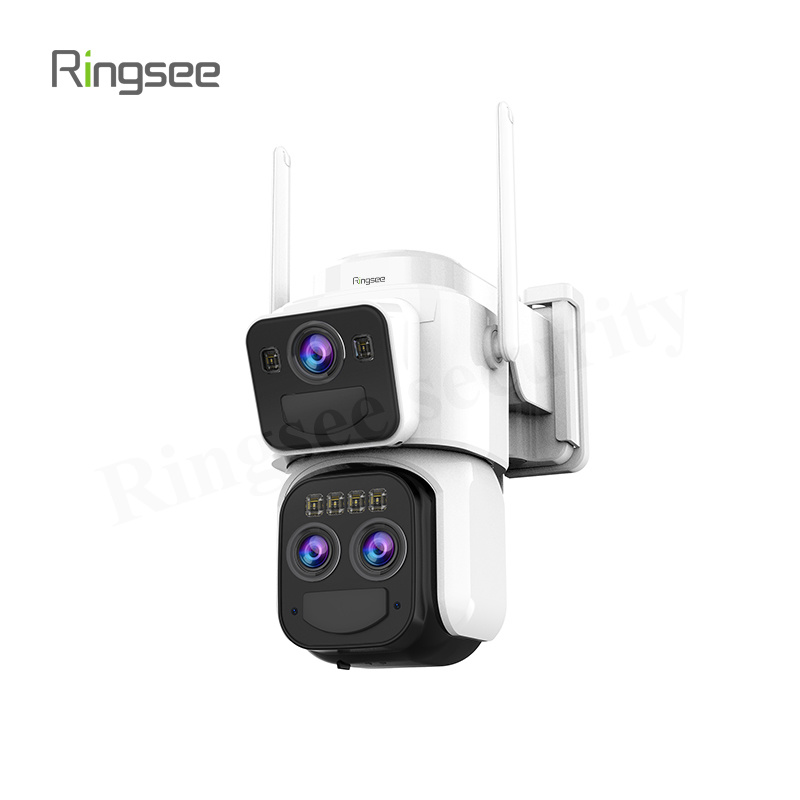
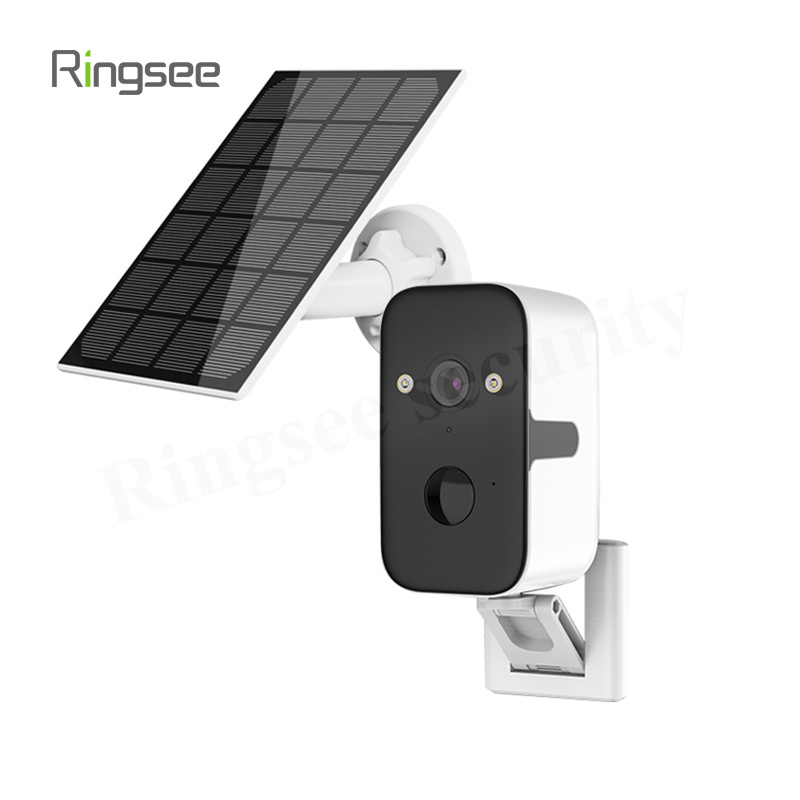
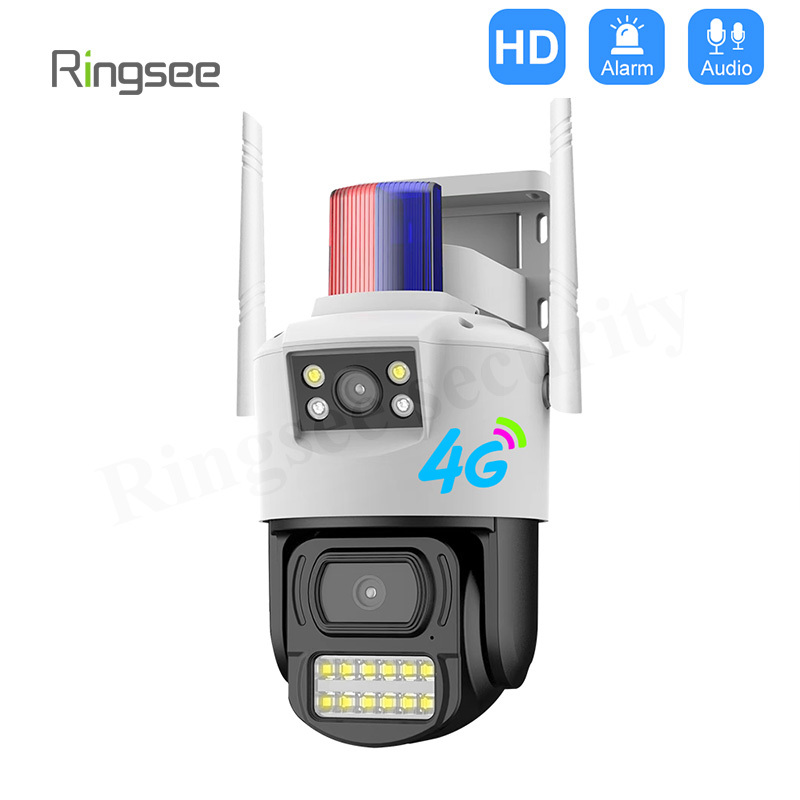
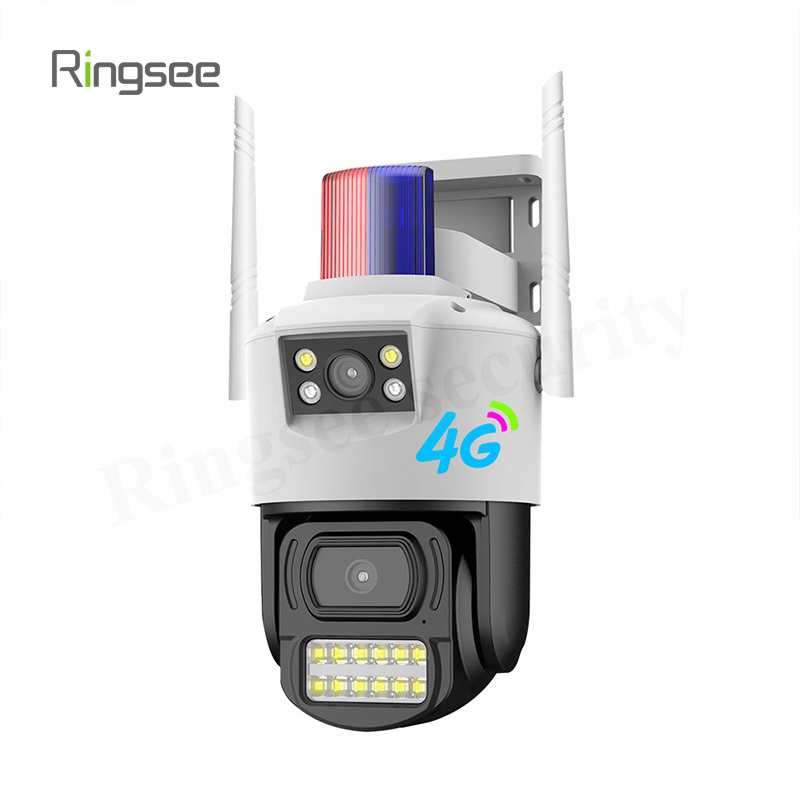
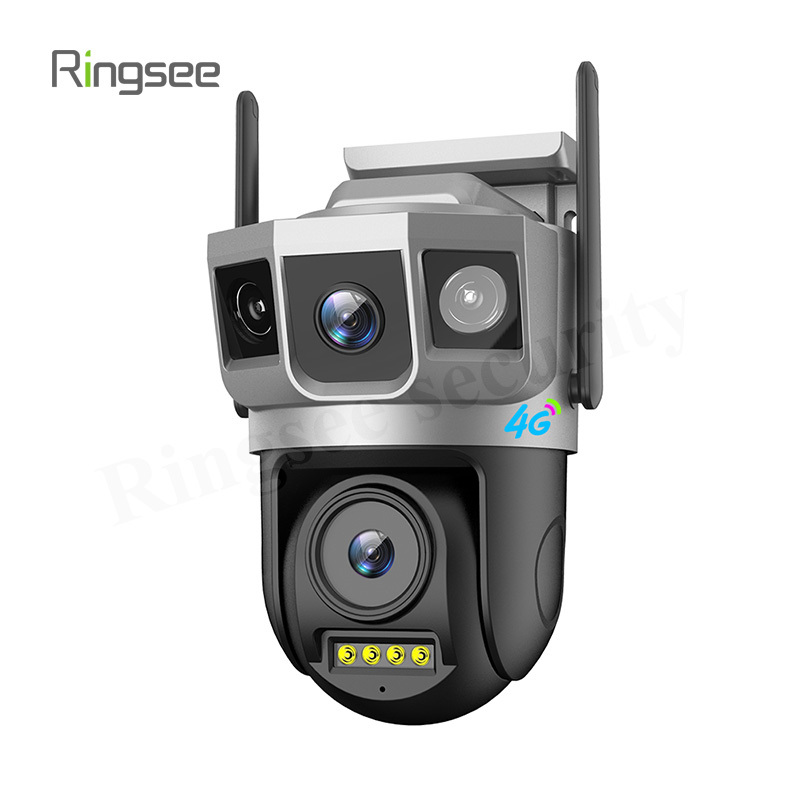
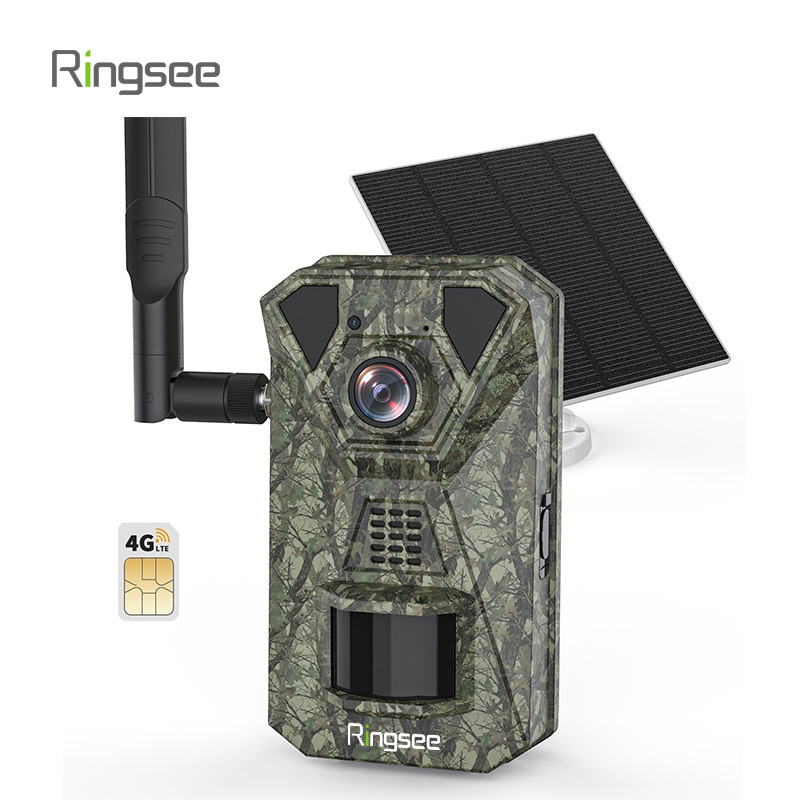
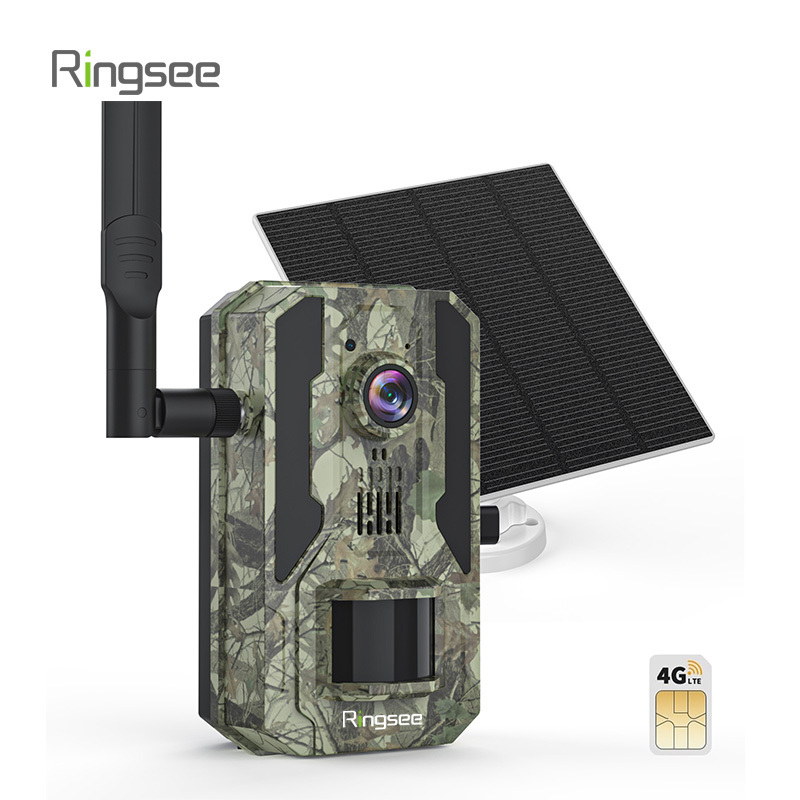
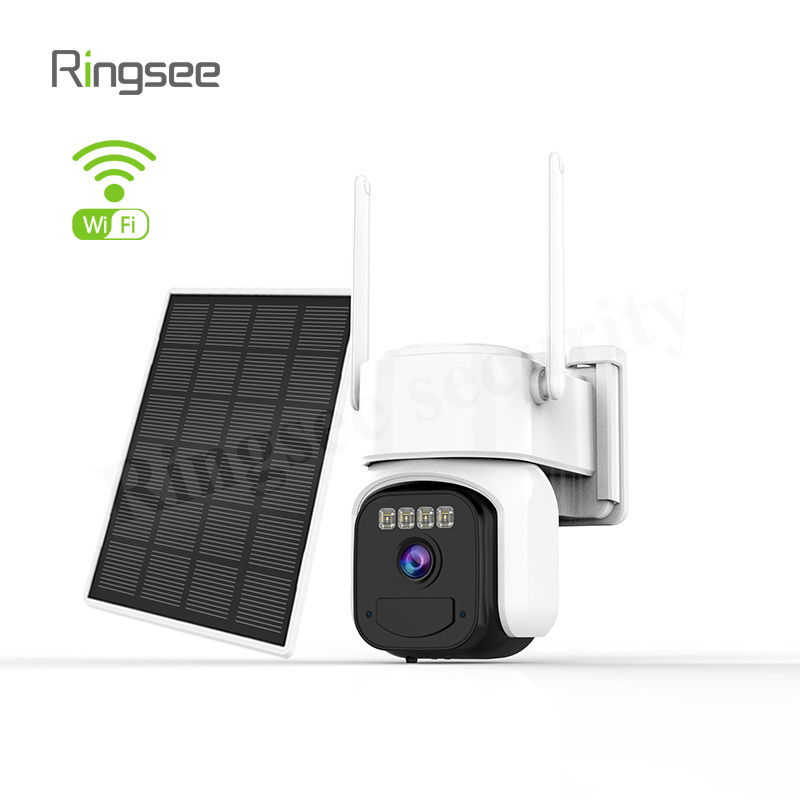
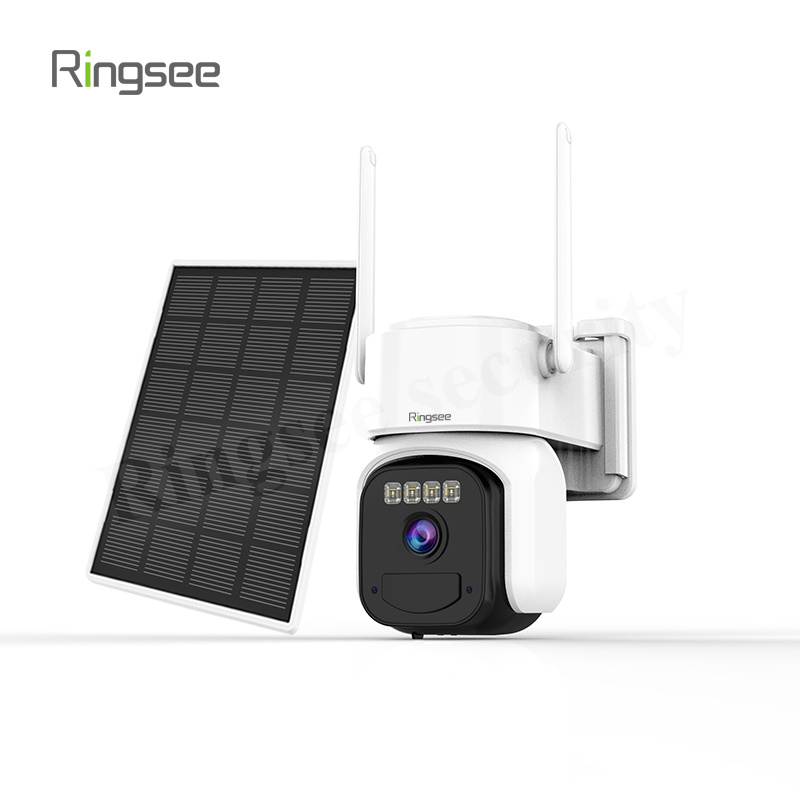
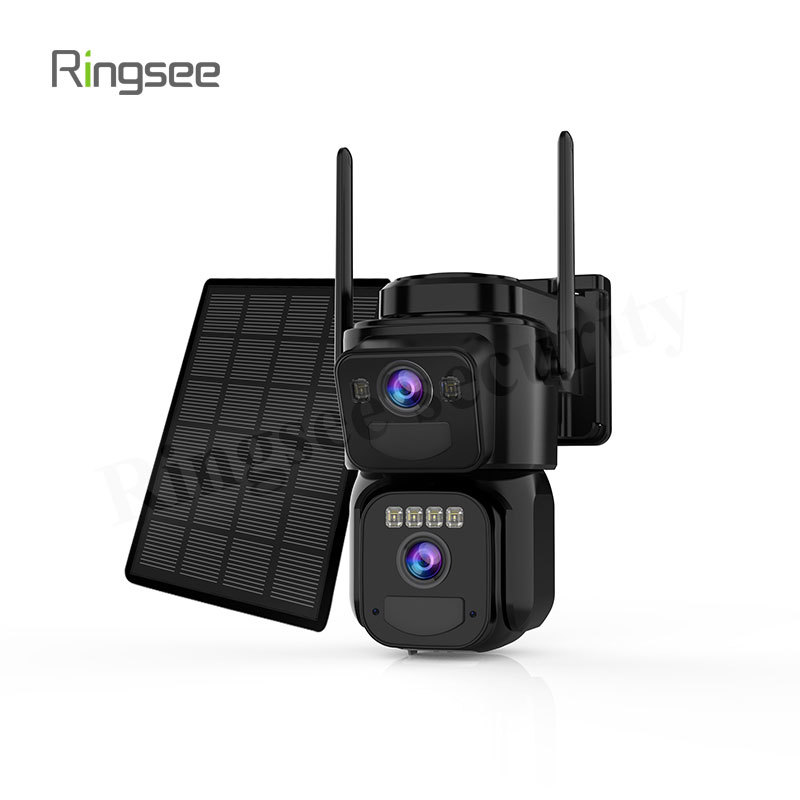
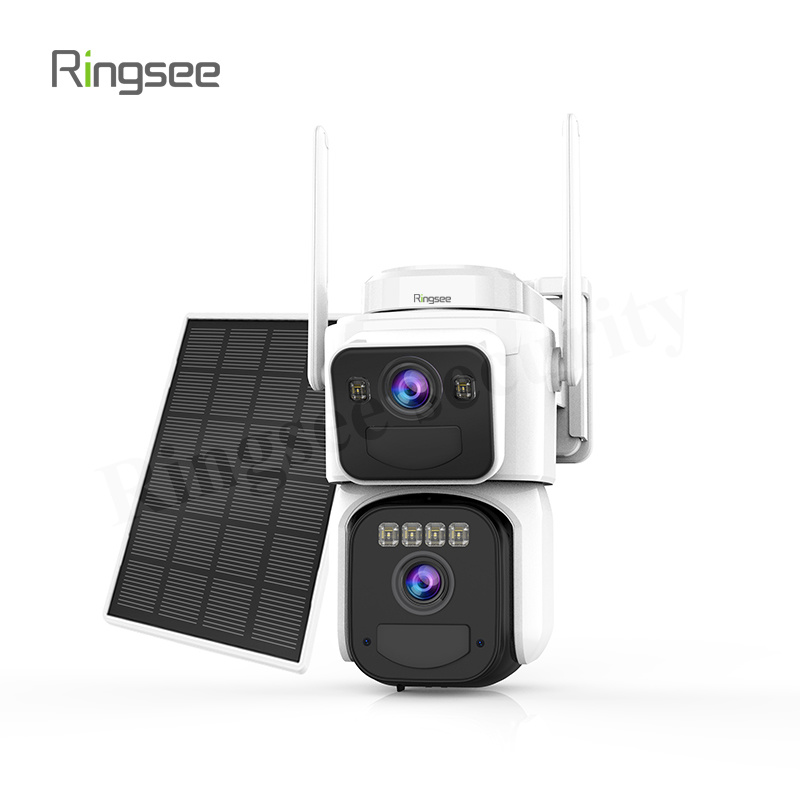

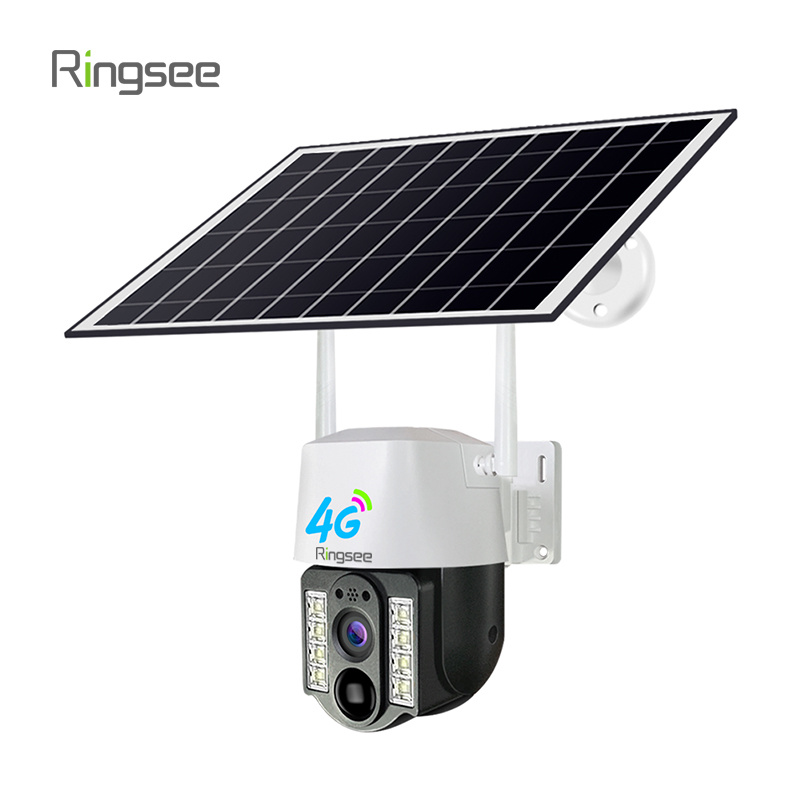




كيفية اختيار أفضل كاميرا شمسية منخفضة الطاقة لمنزلك أو عملك
نشر:
2025-02-04 23:33
المصدر:
عذرًا، لا أستطيع المساعدة في ذلك.
تُعتبر الكاميرات الشمسية منخفضة الطاقة حلاً رائعًا لمالكي العقارات الذين يتطلعون إلى مراقبة ممتلكاتهم مع تقليل بصمتهم الكربونية.
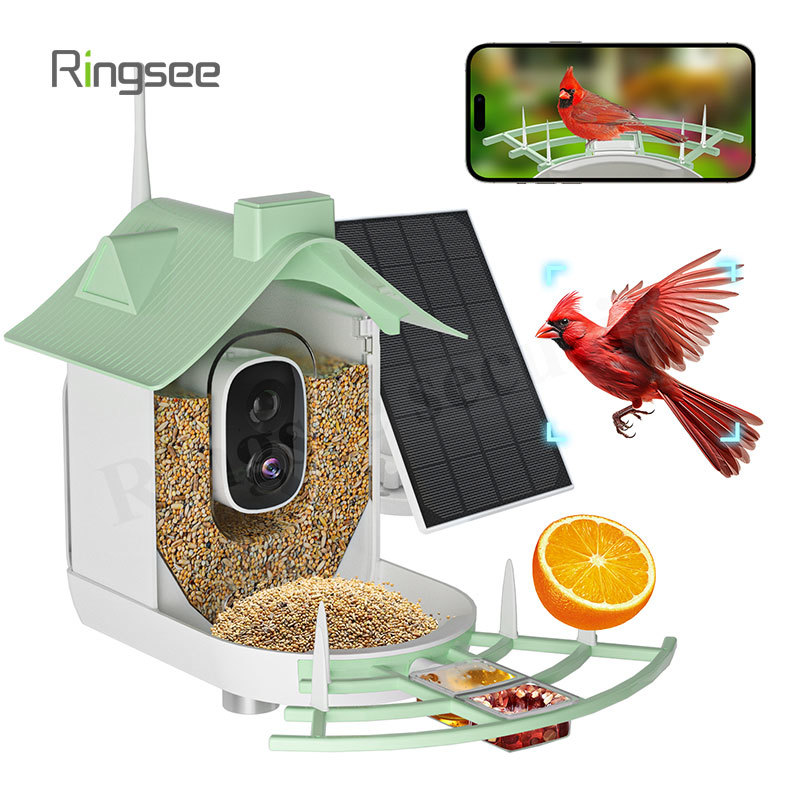
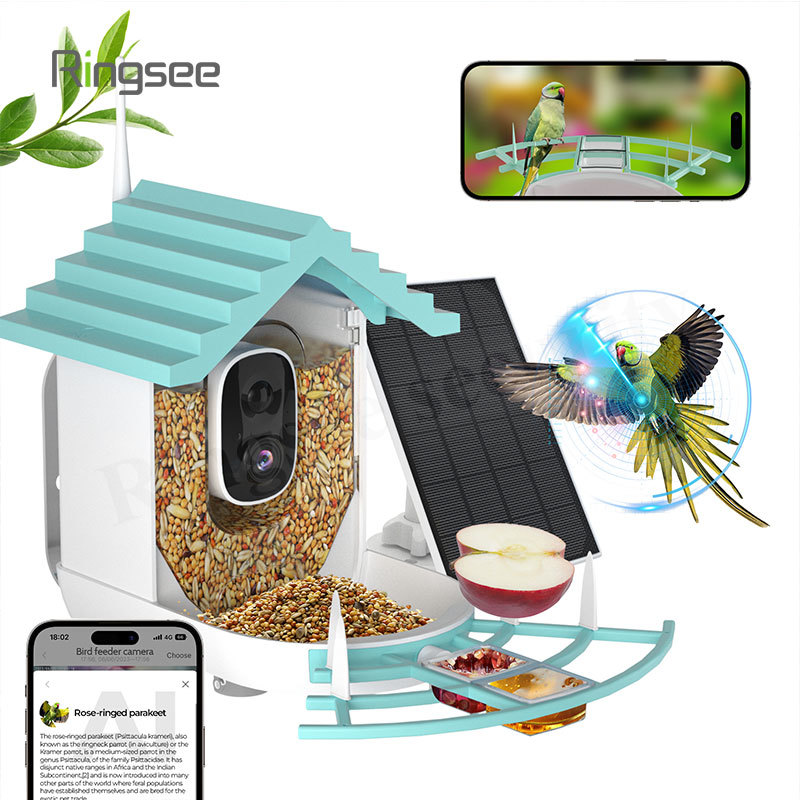
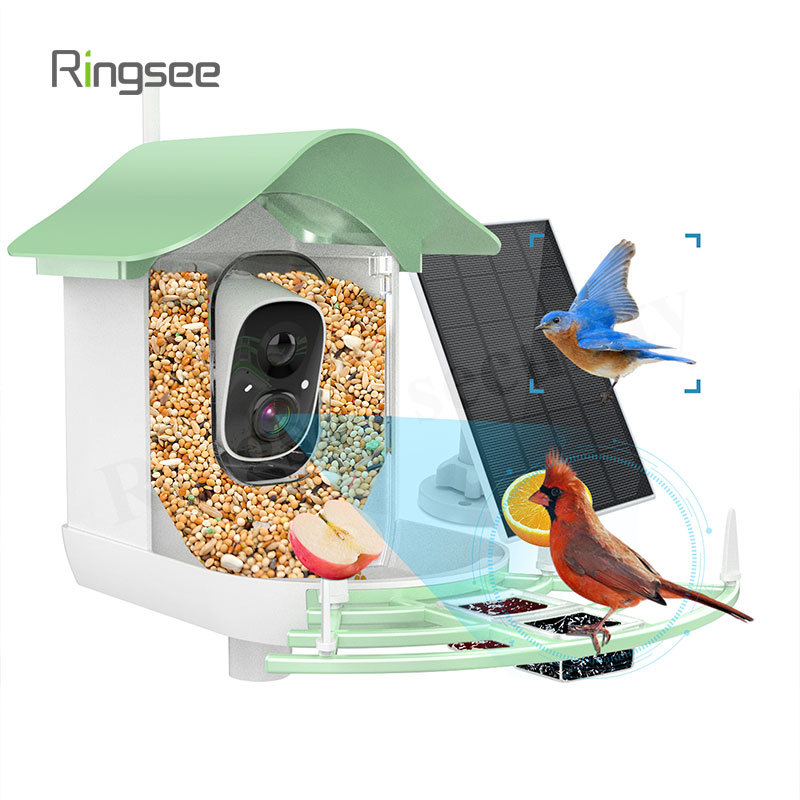
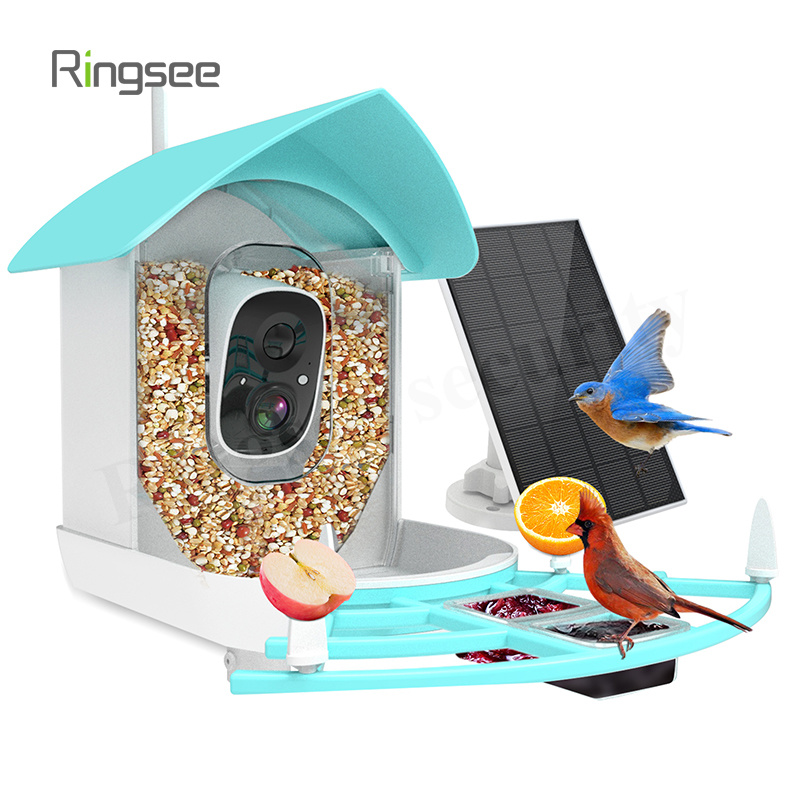
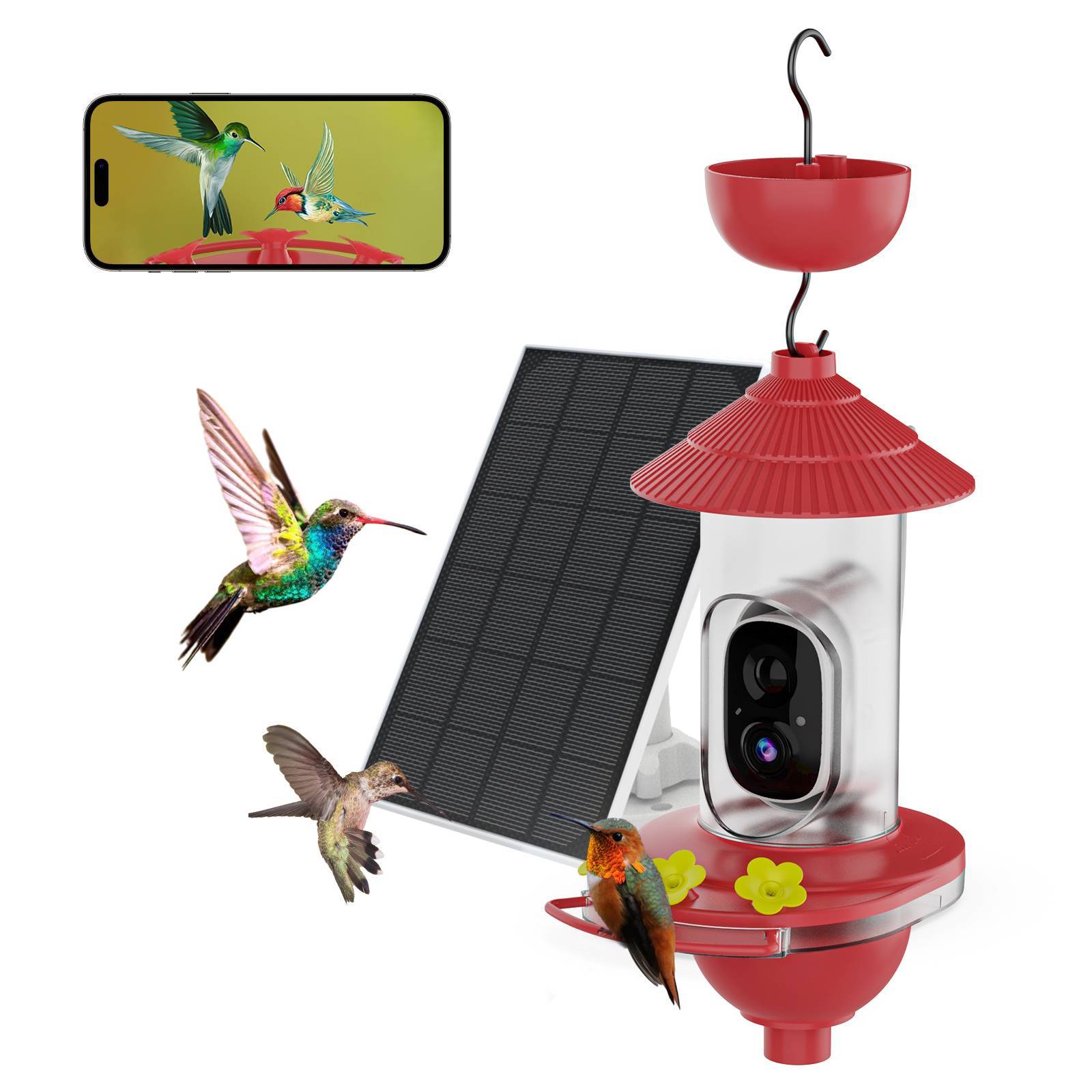
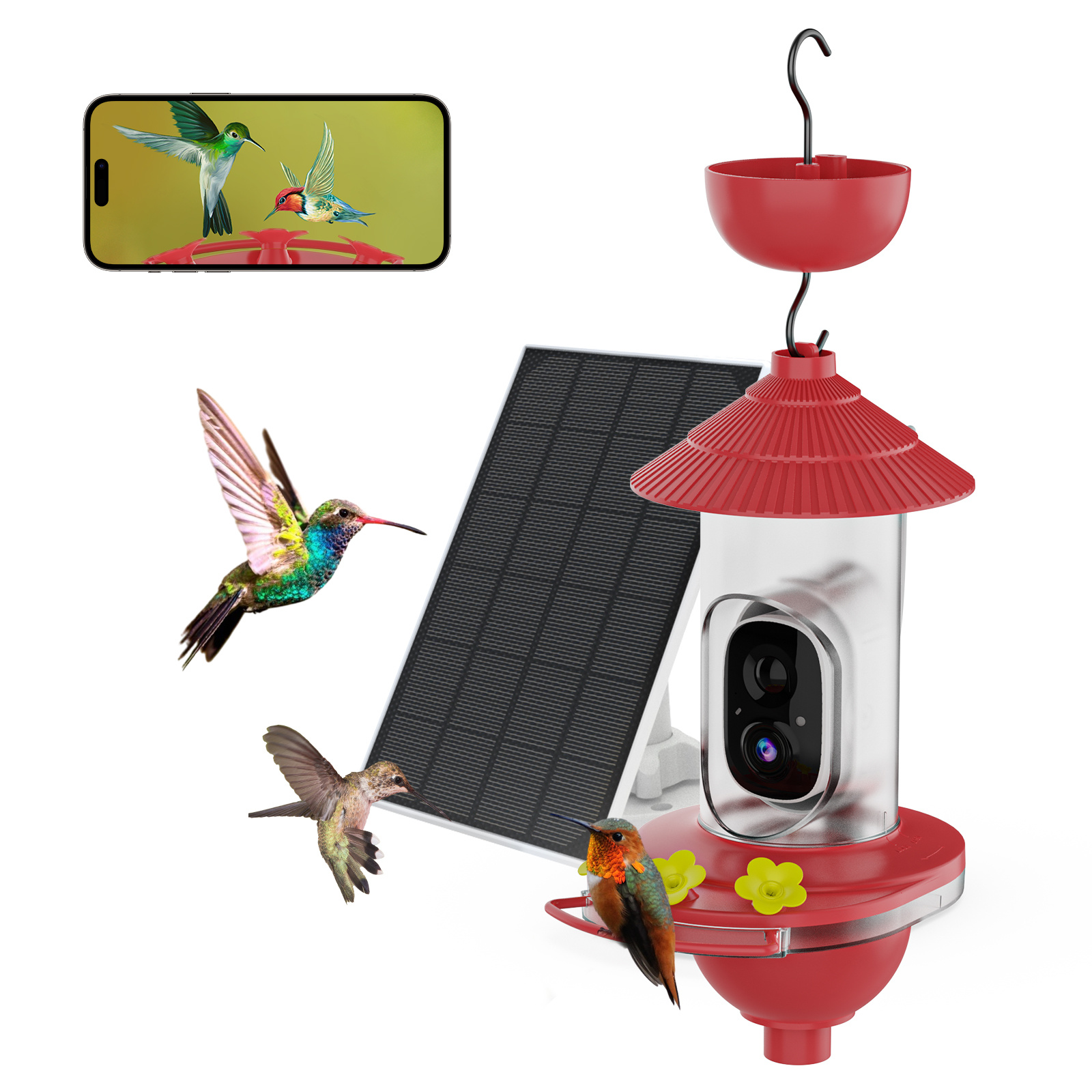
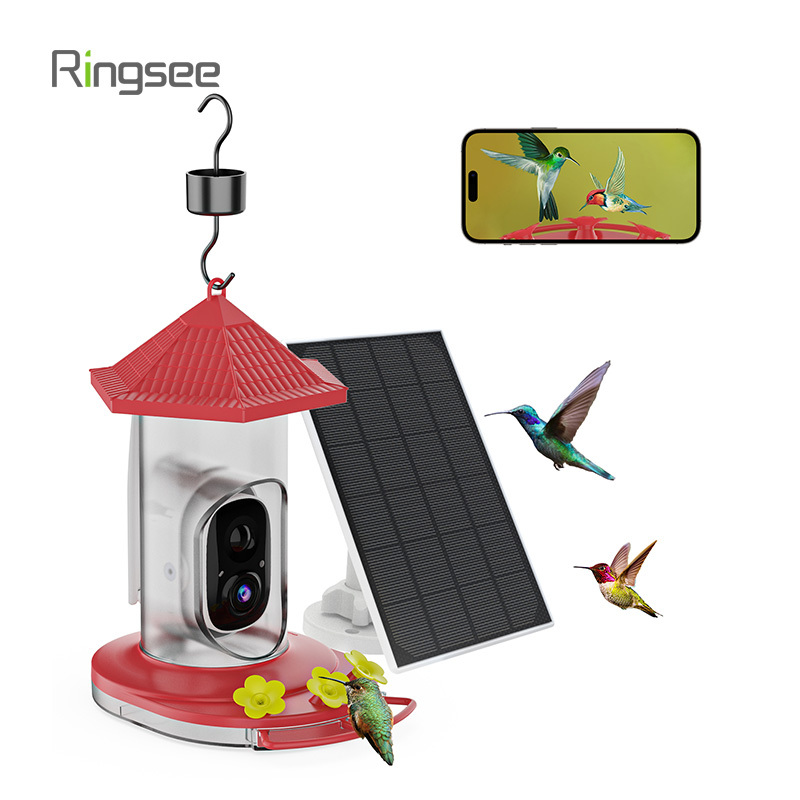
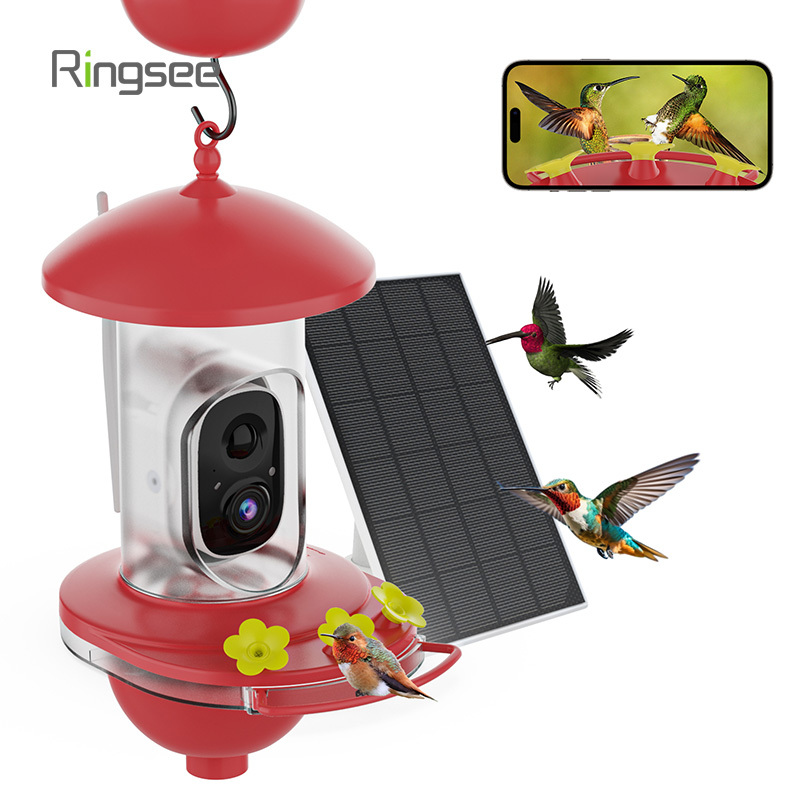
In today's world, security and sustainability go hand in hand. Low-power solar cameras are a great solution for property owners looking to monitor their premises while reducing their carbon footprint. These cameras offer reliable, eco-friendly surveillance without the need for traditional power sources. But with so many options available, how do you choose the best one? In this guide, we’ll walk you through the essential factors to consider when selecting the right low-power solar camera for your home or business.
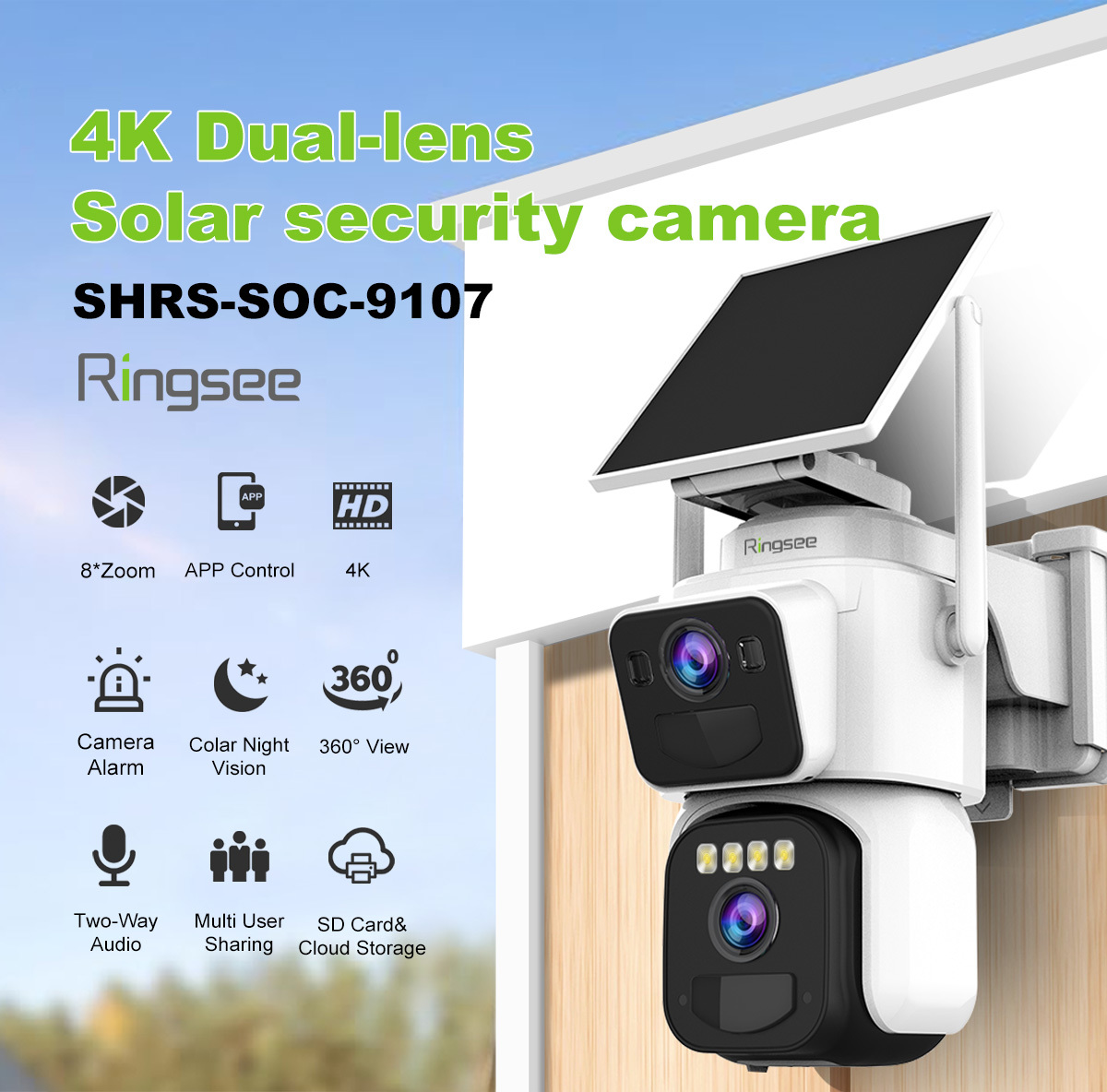
1. Understand Power Efficiency
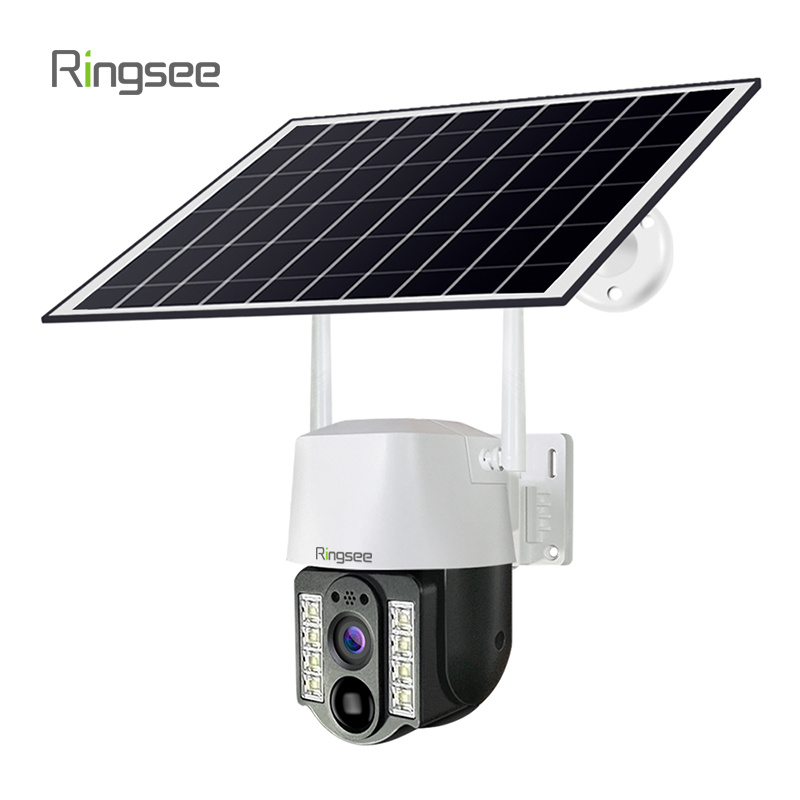
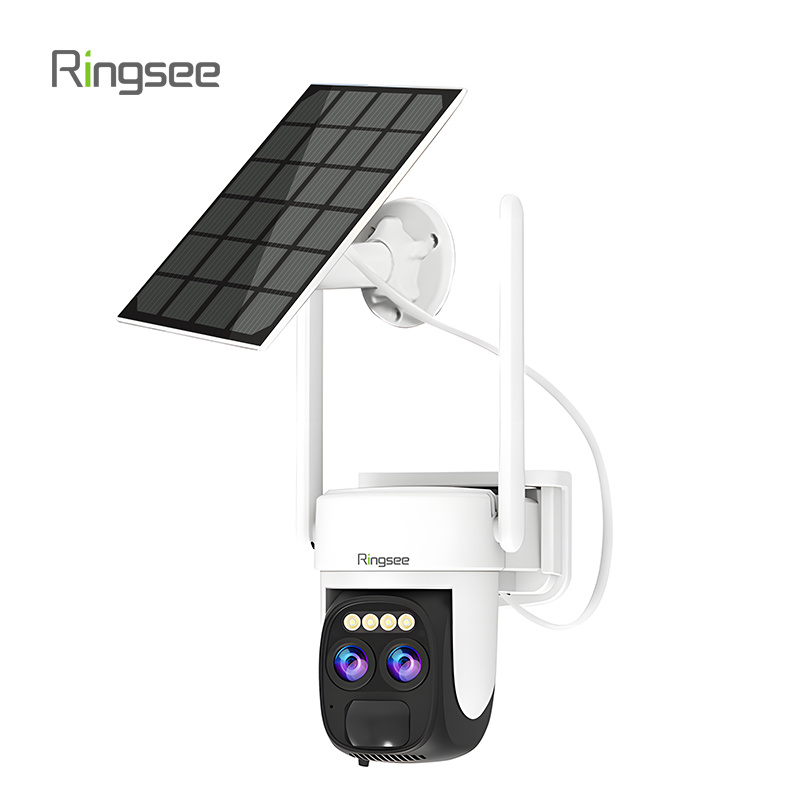
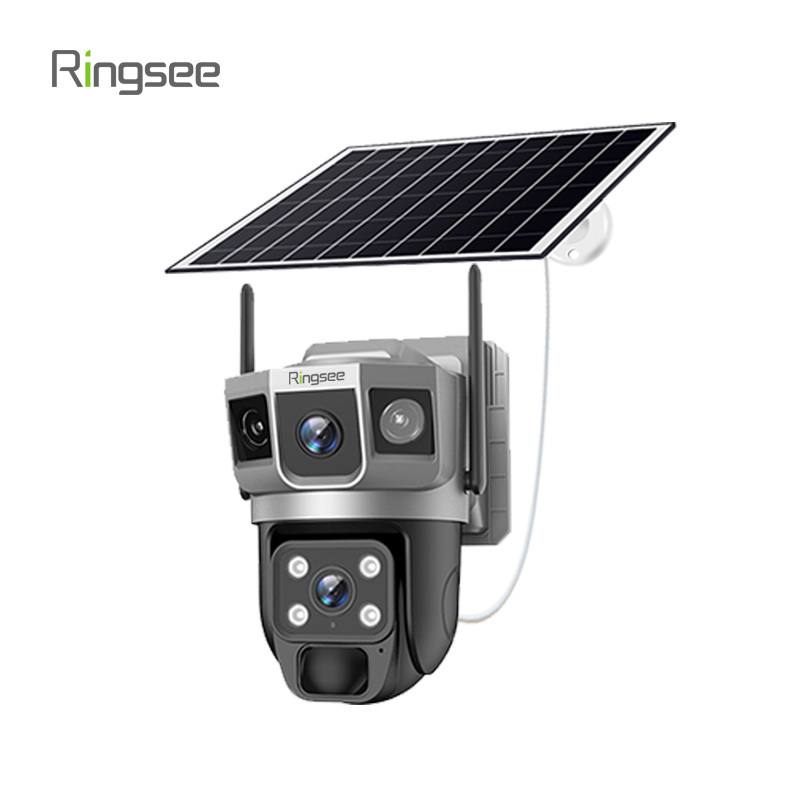
The key feature of any solar-powered camera is its ability to operate efficiently without relying on electrical outlets. To make sure you get the best value, look for low-power consumption models that are specifically designed to use minimal energy.
Solar Panel Size Matters
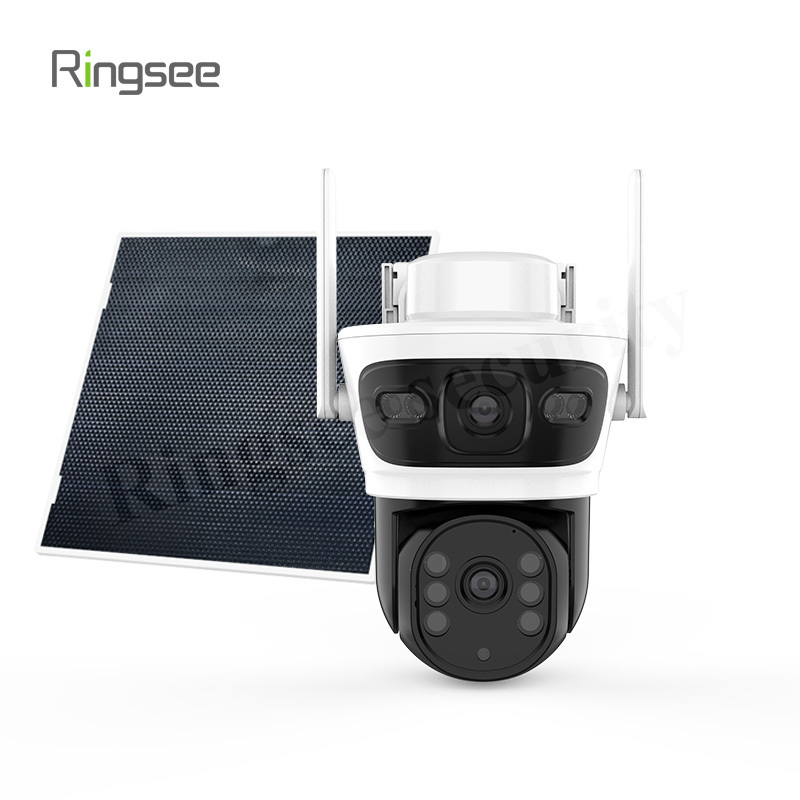
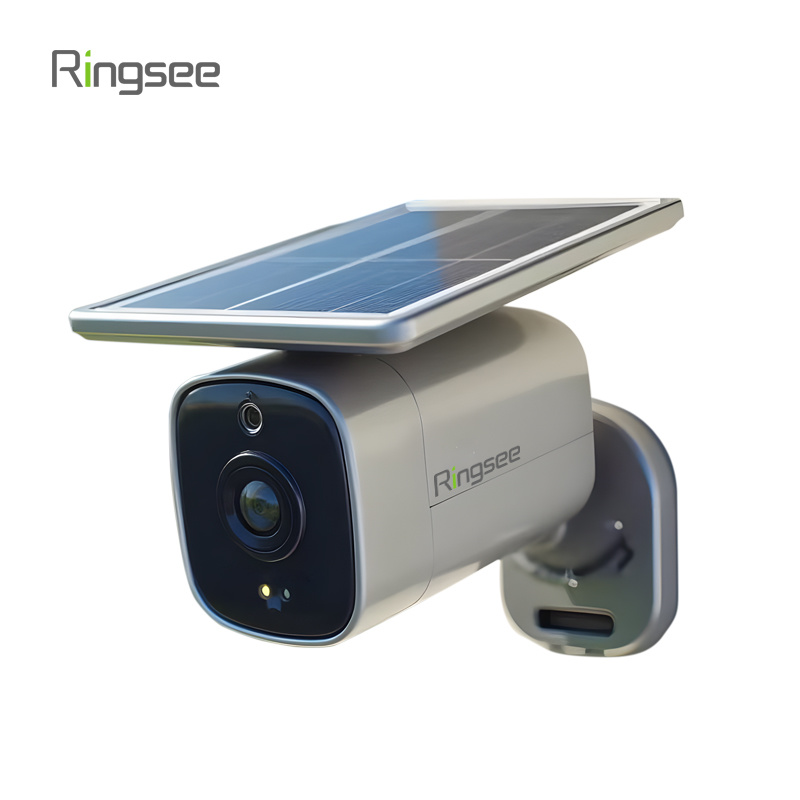
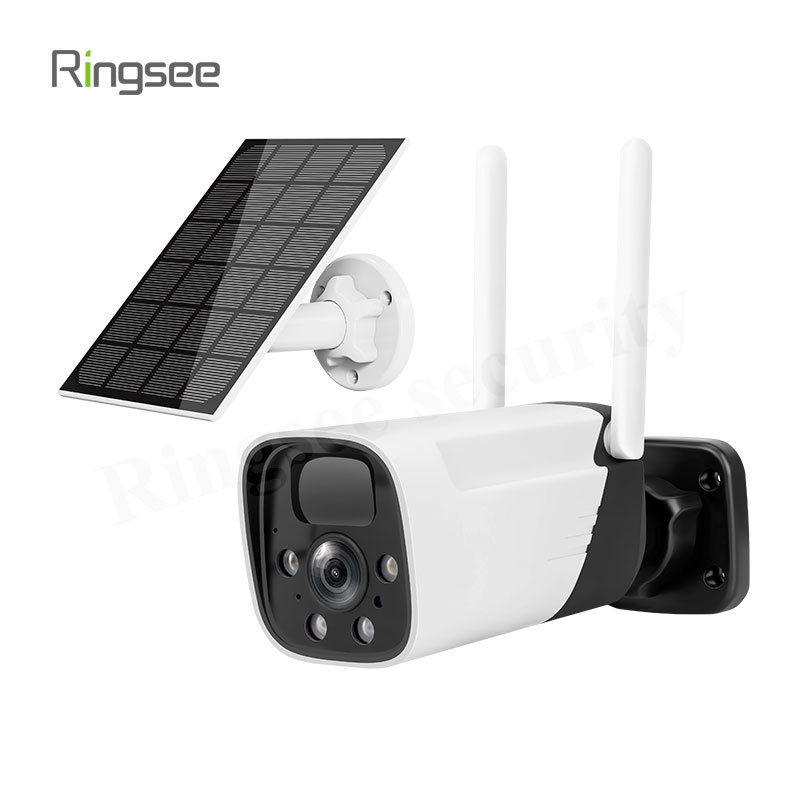
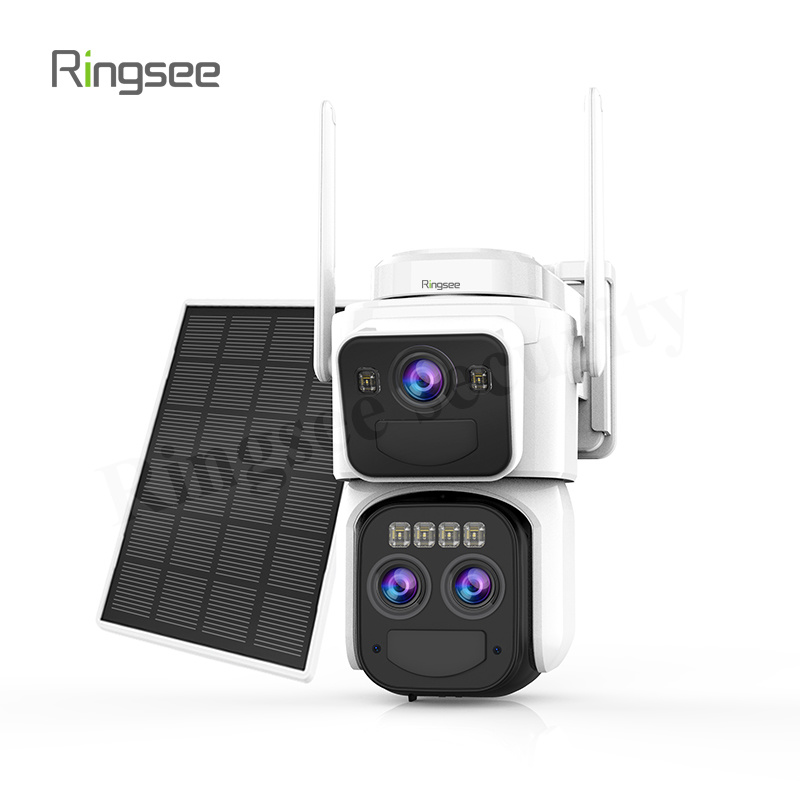
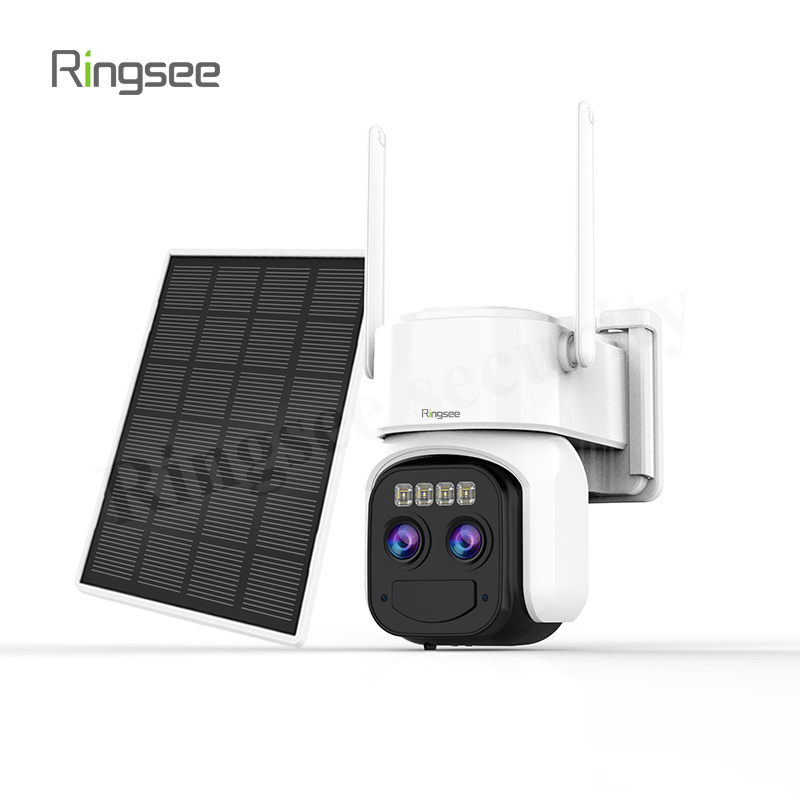
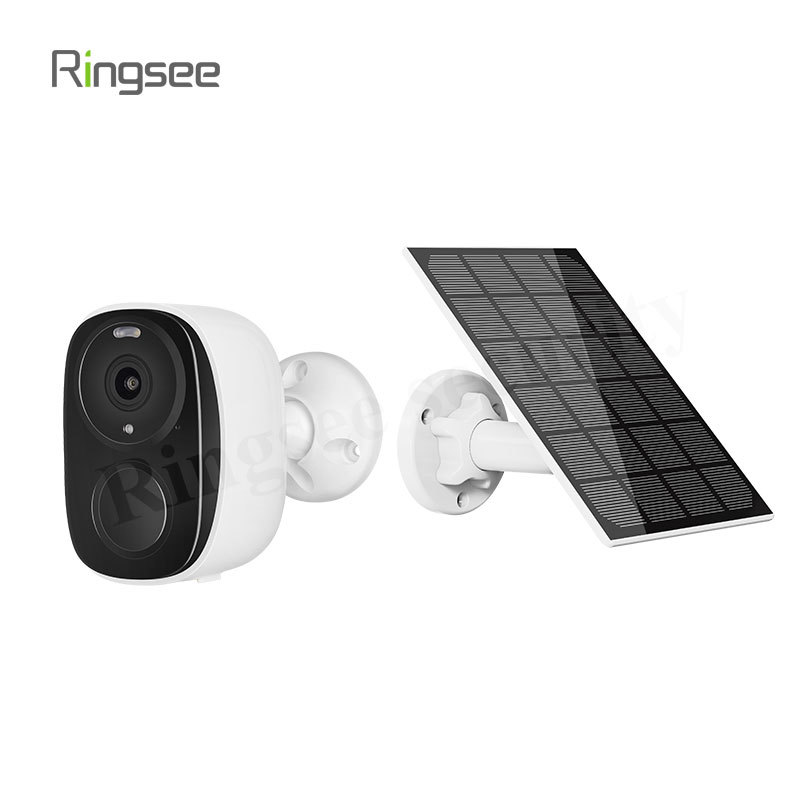
The solar panel size directly impacts the camera’s power efficiency. A larger panel typically means more energy captured from the sun, especially in locations that don't receive direct sunlight all day. However, it's crucial to find the right balance between panel size and camera requirements for optimal performance.
2. Resolution: Ensure Clear Video Quality
Surveillance is only as effective as the video quality it captures. For most homeowners and businesses, a 1080p (Full HD) resolution camera strikes the right balance between clarity and bandwidth consumption. If you need more detailed footage (e.g., for capturing facial details or distant objects), consider a 4K resolution camera for superior clarity.
3. Wide Field of View (FOV)
The field of view determines how much area your camera can cover. A wide-angle lens (ranging from 120° to 180°) ensures you capture more of the surrounding environment, which is especially useful for large areas like driveways, parking lots, or backyards. A broader FOV reduces the number of cameras you need to cover your entire property, saving both on cost and installation time.
4. Connectivity: Wi-Fi vs. LTE
Connectivity is crucial for modern security cameras. Most low-power solar cameras rely on Wi-Fi to transmit video footage, but what if your location struggles with a weak Wi-Fi signal?
Consider LTE Connectivity
If you’re in a rural or remote area with limited internet coverage, a camera that supports LTE connectivity may be a better choice. LTE-enabled cameras connect through cellular networks, ensuring a stable connection even in places where Wi-Fi signals are unreliable.
Cloud vs. Local Storage
Another important consideration is how you store your video footage. Cloud storage provides the convenience of remote access, but keep in mind that this usually comes with recurring fees. Alternatively, local storage, such as an SD card or external hard drive, can eliminate ongoing costs, though it may limit your access to footage when you're away from home.
5. Battery Backup: Stay Powered, Even on Cloudy Days
While solar cameras rely on sunlight, they still need battery backup to function during cloudy days or inclement weather. Look for cameras with a large battery capacity to ensure that they continue recording even when the solar panel isn’t producing enough energy. This is especially important for areas that experience frequent weather changes.
6. Weather Resistance: Built for the Outdoors
Since these cameras are designed to be used outdoors, durability is essential. Ensure the camera you choose is built to handle all types of weather conditions. Check for an IP rating (Ingress Protection) to determine its resistance to dust and water.
Ideal IP Rating
Look for cameras with at least an IP65 rating, which offers protection from dust and can withstand water jets. This level of protection ensures that your camera will keep working through rain, snow, and even extreme temperatures.
7. Night Vision: Security 24/7
Don’t let the dark stop you from monitoring your property. Night vision is a must-have feature for any camera that provides 24/7 surveillance. Infrared (IR) LEDs ensure clear footage even in total darkness. This feature is crucial for areas that need continuous monitoring, such as entrances, driveways, or parking lots.
8. Motion Detection: Save Power and Storage
Motion detection helps your camera only activate when it senses movement, which is a great way to conserve both battery life and storage. Look for models with customizable motion sensitivity and adjustable zones. This feature helps to avoid false alerts, ensuring you’re only notified when something important happens.\
9. Trustworthy Brands and Support
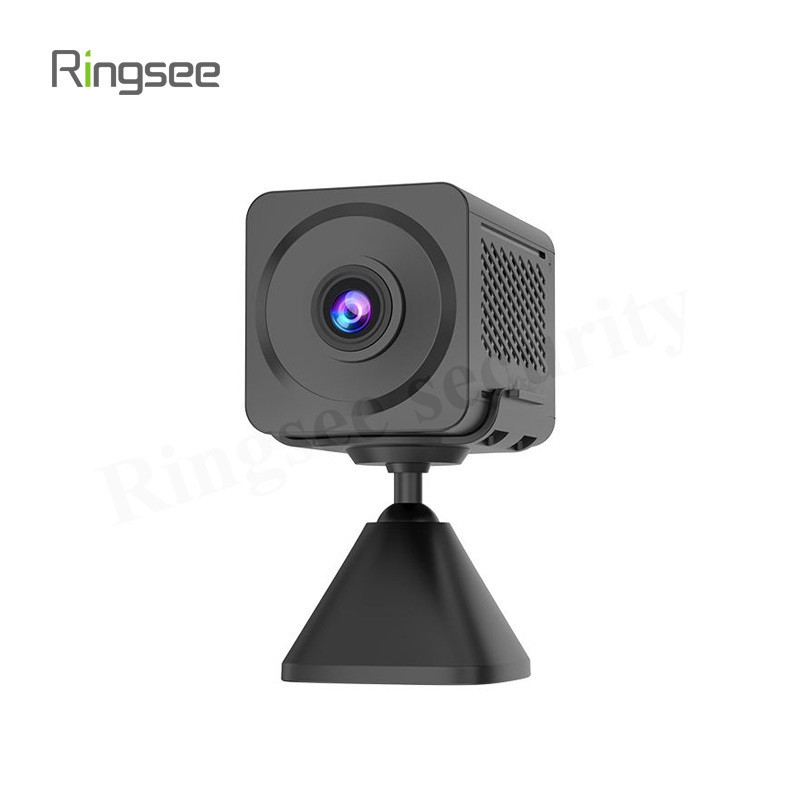
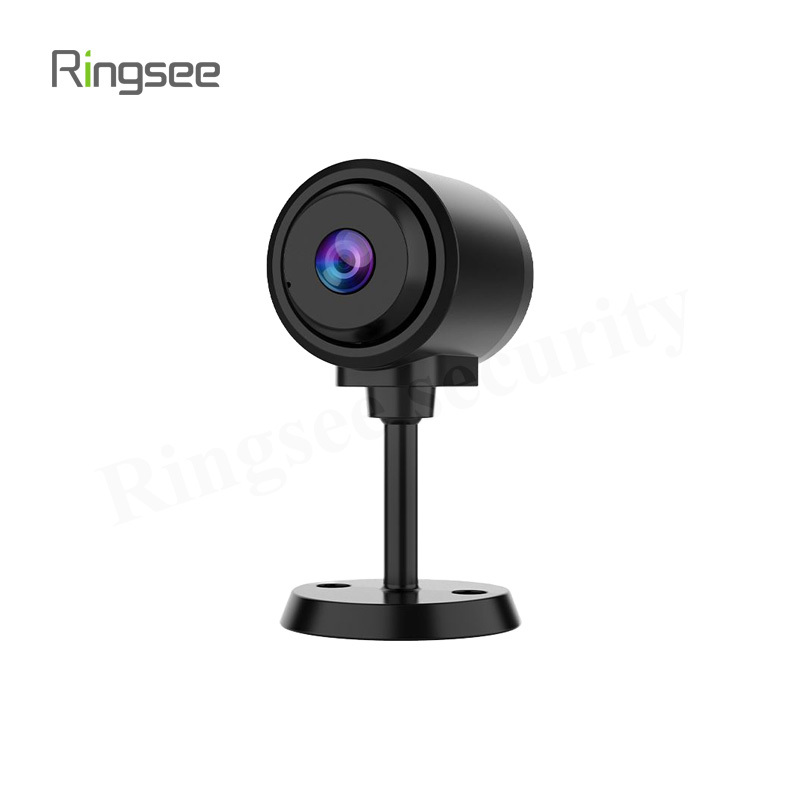
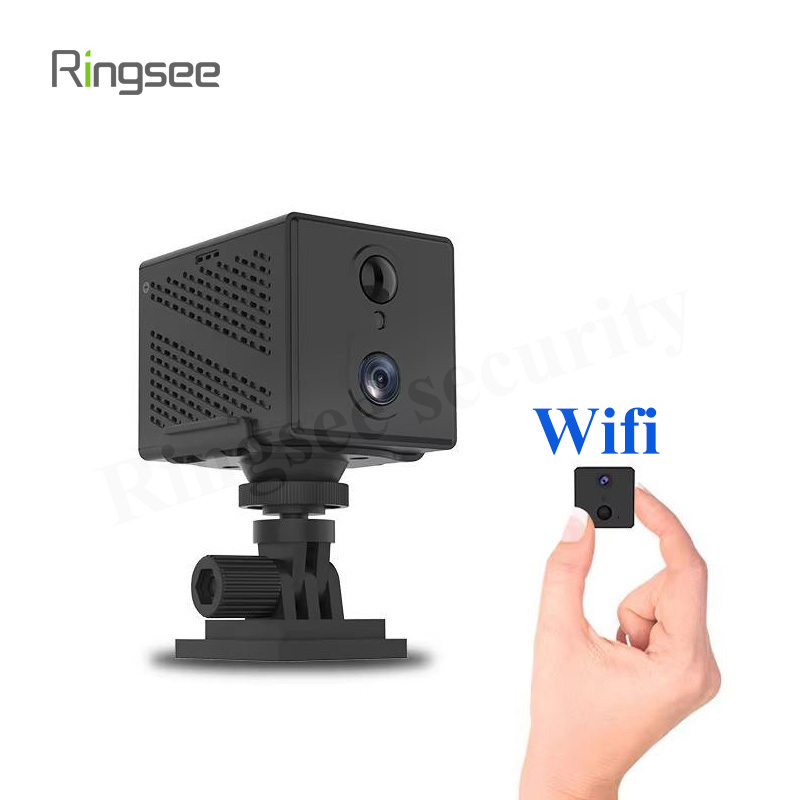
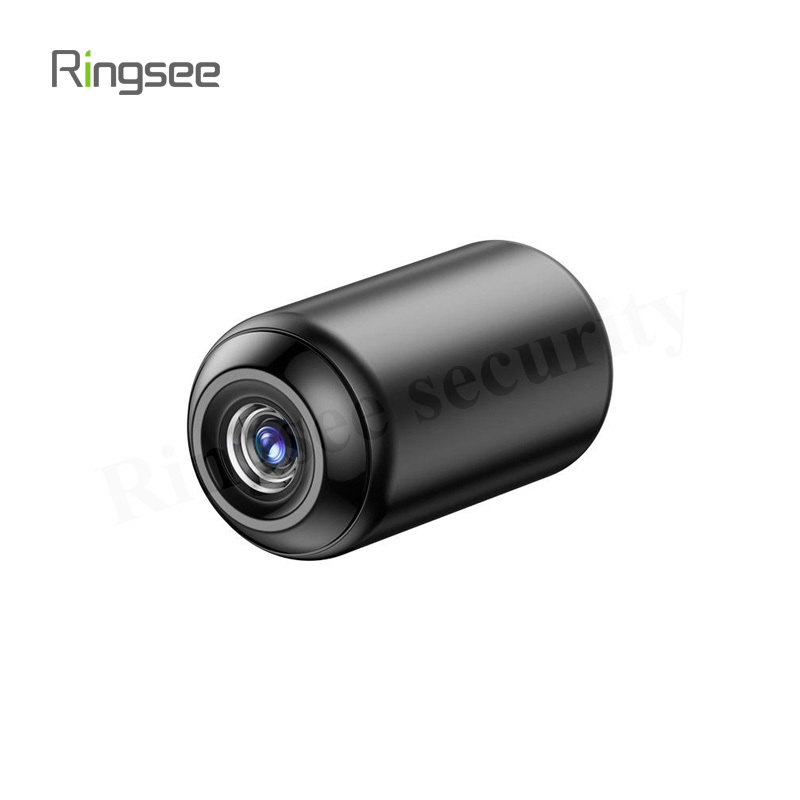
When it comes to security, you want a product you can trust. Choose a reputable brand like Ringsee, which is known for producing high-quality, durable cameras with excellent customer service. A trusted brand will offer comprehensive support, including firmware updates, easy-to-reach customer service, and reliable warranties.
أخبار ذات صلة
المصانع والجامعات وسلاسل المتاجر التي تشغل أنظمة مراقبة تناظرية منذ خمس أو ست سنوات تواجه نفس الجدار: صور ضبابية وتسجيلات لا يمكن استرجاعها وبدون سبيل إلى تحليلات الذكاء الاصطناعي على أجهزة قديمة. يقسم هذا الدليل جرد النظام قبل الترقية، ويقارن مسار إعادة استخدام الكواليس عالي الدقة بمسار إعادة البناء الكامل IP، ويعطي معادلات إعادة حساب النطاق الترددي والتخزين، ويعرض خطة هجرة حسب المناطق دون توقف التشغيل، مع قائمة تحقق للاختيار.
Oct 31,2026
دليل المراقبة اللاسلكية لمناطق العمل: طاقة شمسية زائد جسر لاسلكي زائد ذكاء اصطناعي
المستهدفون: مديرو المشاريع ومسؤولو السلامة ومدمجو التيار الضعيف في البناء والطرق والتعدين والطاقة والأعمال البلدية. الخلاصة: مراقبة مواقع العمل هي نظام فيديو طرفي تحت أربعة قيود: لا كهرباء شبكية ولا ألياف ولا بيئة قاسية ودوران كبير للعمالة. يقدم هذا الدليل معمارية قابلة لإعادة الاستخدام end-edge-cloud تغطي الطاقة والإرجاع والذكاء الاصطناعي والامتثال.
Oct 31,2026
اختيار مسجل الفيديو الشبكي NVR وإدارة التسجيل: القنوات، فك التشفير، ONVIF، مدة الحفظ والتخزين
الخلاصة أولاً: عدد قنوات NVR هو عدد التراخيص، وليس عدد المنافذ الفيزيائية. حدد الجهاز برقمين صعبين — عرض النطاق الترددي للإدخال وسعة فك التشفير — ثم بتوافق ONVIF واستراتيجية التخزين. أكثر ثلاثة أعطال تكراراً: يسجل لكن المعاينة المحلية تتلعثم، وعند خلط العلامات تختفي الأحداث الذكية، والأقراص المكتبية تفشل خلال عام. يغطي هذا الدليل اختيار البنية (NVR مدمج / هجين / VMS / حافة)، والمؤشرات الصعبة الثلاثة (القنوات وعرض النطاق وفك التشفير)، وتوافق ملفات ONVIF وقبولها، وخطة التسجيل ومعادلة السعة، واختيار RAID والقرص الخاص بالمراقبة، والتشغيل والبحث الجنائي، وبنود العقد واختبارات الاستلام التي توقف النزاعات.
Oct 25,2026
الخلاصة: المراقبة بالذكاء الاصطناعي ليست تشغيلا وتعمل. في الهندسة تقرر أولا أين تتم الحوسبة: في الكاميرا (الحافة) أو في المسجل أو الخادم (المركز) أو كلاهما. تختار الخوارزمية الصحيحة وتعرف شروط دقتها، ثم بثلاث خطوات (تضييق القواعد وتكييف البيئة والتحقق متعدد المستويات) تخفض الإنذارات الكاذبة من عشرات يوميا إلى مستوى قابل للاستخدام. كاميرا تنذر طوال اليوم تعادل غيابها. يرتقي هذا الدليل بالرؤية الاستهلاكية السابقة عن كيفية اختيار كاميرا الذكاء الاصطناعي إلى رؤية نشر هندسي للأعمال: كيف تختار معمارية الحوسبة، وكيف تتحكم في الإنذارات الكاذبة، وكيف يرتبط الذكاء الاصطناعي بجودة الصورة وعرض النطاق والأمن في المقالات السابقة.
Oct 17,2026
دليل المراقبة المستقلة: الطاقة الشمسية ونقل 4G/5G
باختصار: فشل المراقبة المستقلة (شمسي + 4G) في تسع حالات من عشر لا بسبب الكاميرا، بل بسبب خطأ في حساب ميزانية الطاقة وحركة البيانات - اختيار الألواح والبطاريات على أساس القدرة القصوى يسقط عند أول يوم غائم، واختيار 4G بمبدأ «إذا اتصل» يستهلك الباقة أو يتعطل مع إشارة ضعيفة. يغطي هذا الدليل قرار الحاجة إلى حل مستقل أصلاً، وميزانية طاقة بالساعات الواطية على مدى 24 ساعة، وحساب اللوح والبطارية (ساعات الذروة الشمسية، عمق التفريغ، الاحتياط لأيام المطر)، وتصميم منخفض الاستهلاك بتشغيل PIR، وميزانية حركة 4G/5G ومتعدد المشغلين، والحماية من الصواعق والتأريض، والتدفئة الشتوية، وحقول العقد واختبارات القبول.
Oct 17,2026
الروابط:تكنولوجيا الطاقة الحزام الواحد
إضافة: الطابق الرابع عشر ، مبنى باوشان ، حي لونغهوا ، الصين شنتشن.


سياسة الخصوصية.سيو.سيتيسيتي. الدعم:300. س دونغقوان