





كيفية اختيار كاميرا الأمان المنزلية المناسبة في عام 2026: دليل شامل للمشترين
نشر:
2026-03-31 13:14
المصدر:
https://www.ring-see.com
تعرّف على كيفية اختيار كاميرا أمان منزلي مناسبة لاحتياجاتك. يغطي هذا الدليل الشامل للاختيار الجوانب المتعلقة بالدقة، والرؤية الليلية، والطاقة الشمسية، وتخزين البيانات، بالإضافة إلى حلول كاميرات الأمان الاحترافية من رينغسي.
Home security cameras have become an essential part of modern home protection. Whether you want to monitor your front door, backyard, farm, warehouse, or remote property, choosing the right camera can significantly improve your security and peace of mind.
However, with so many options available—wireless cameras, solar-powered cameras, AI detection cameras, and advanced AOV security cameras—it can be difficult to determine which one is the best fit for your needs.
In this comprehensive guide, we’ll walk you through the most important factors to consider when choosing a home security camera, helping homeowners, installers, and distributors make informed decisions.
Understanding the Different Types of Security Cameras
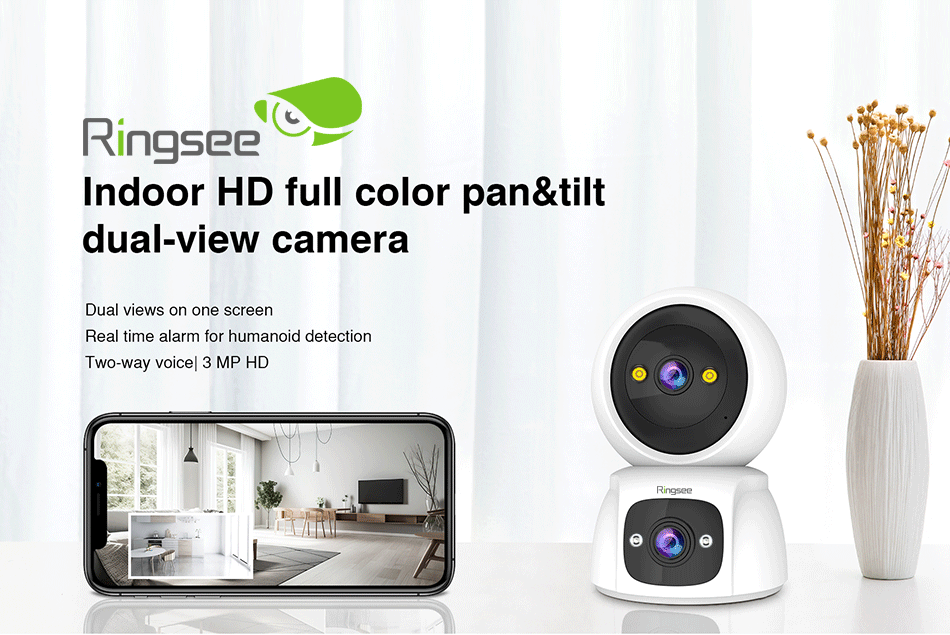
Before choosing a security camera, it's important to understand the different categories available on the market.
Indoor Security Cameras
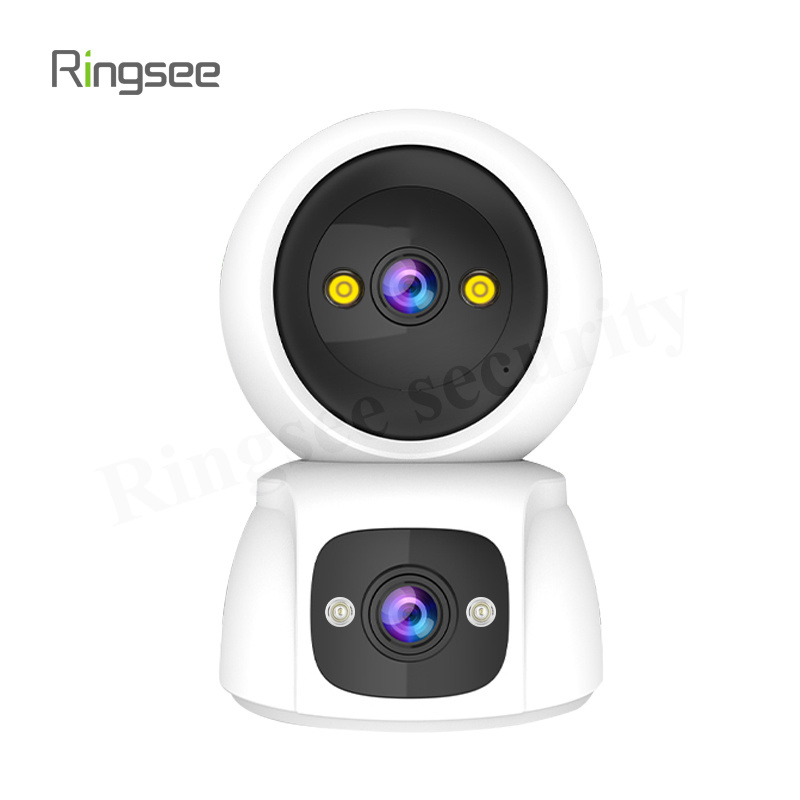
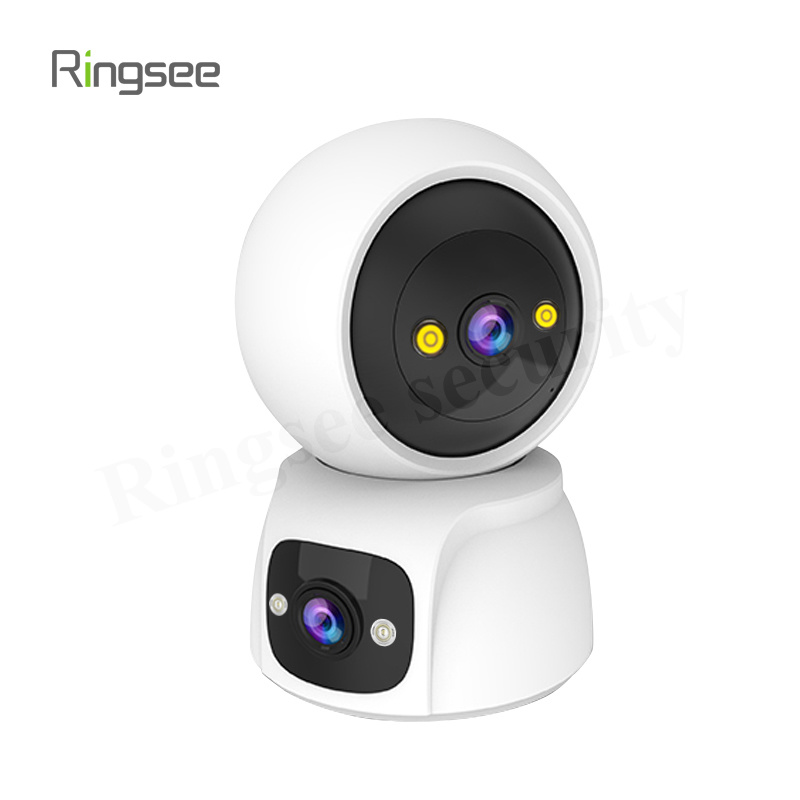
Indoor cameras are typically designed to monitor areas inside your home, such as living rooms, entrances, or hallways.
Common features include:
- Motion detection
- Two-way audio
- Compact design
- WiFi connectivity
These cameras are ideal for monitoring pets, children, or indoor activity.
Outdoor Security Cameras
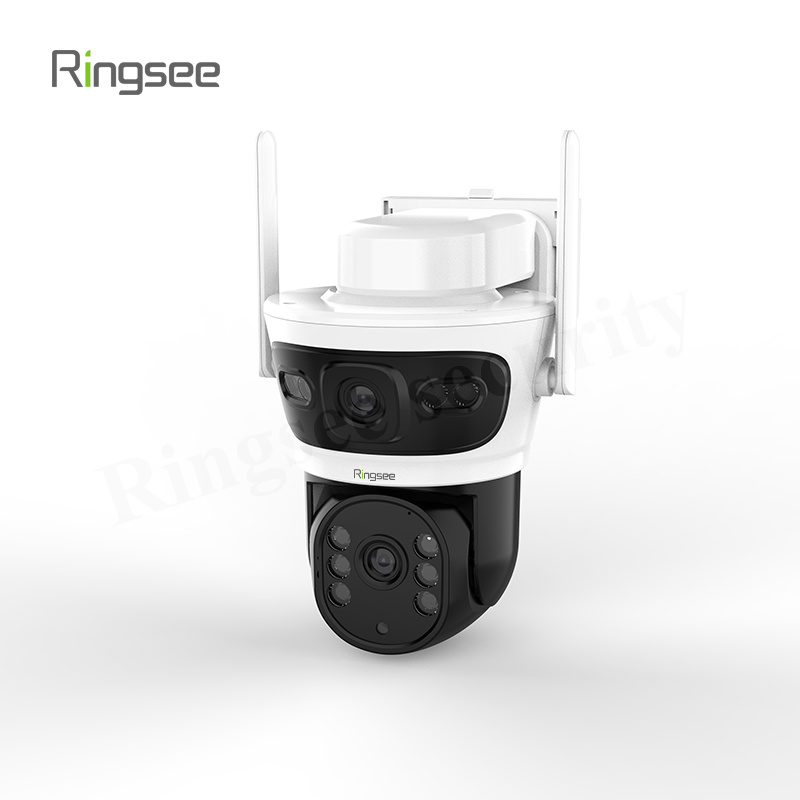
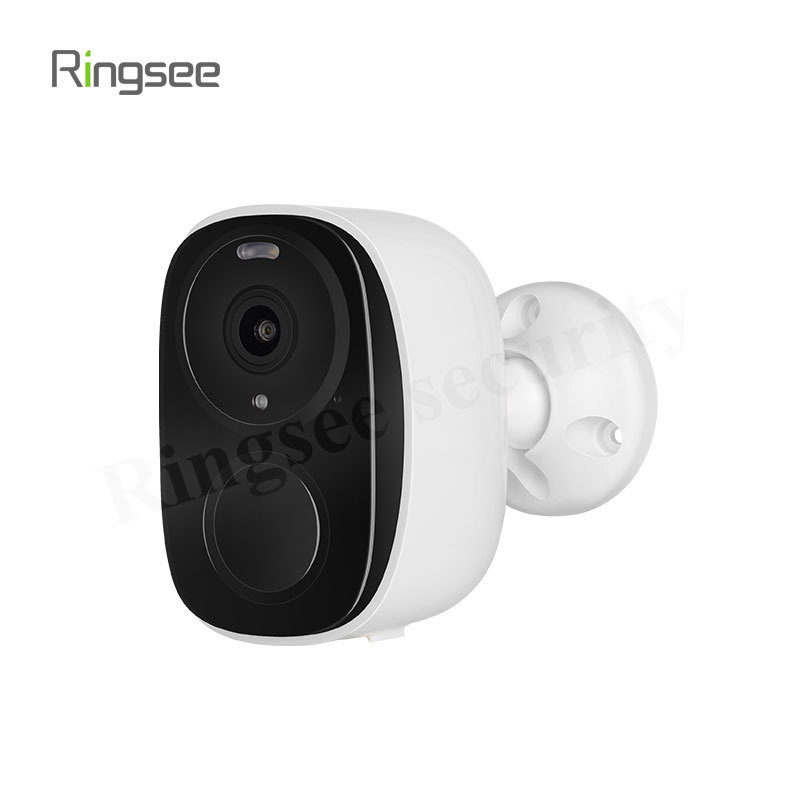
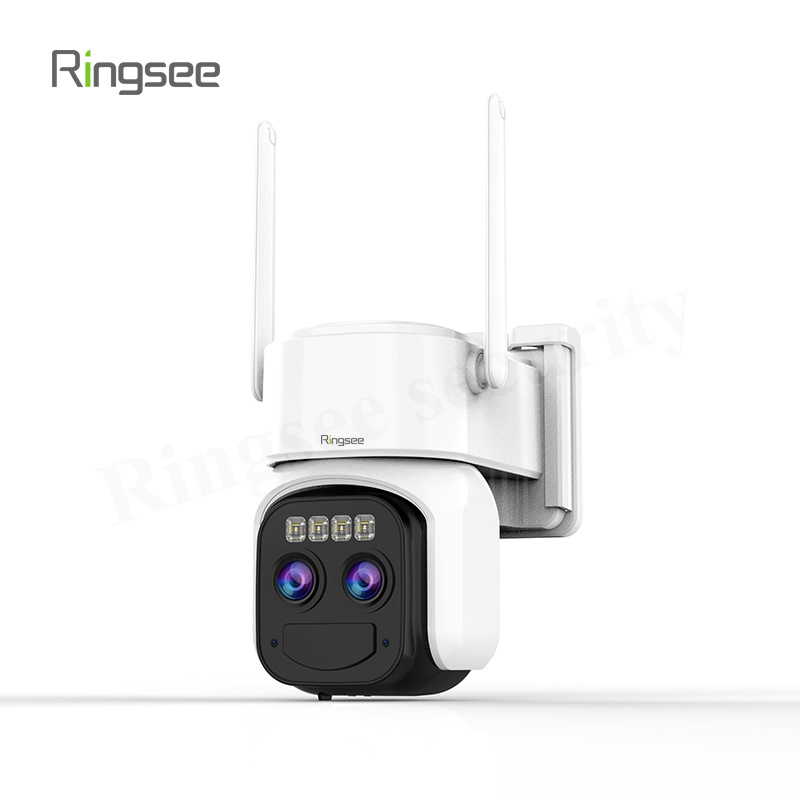
Outdoor security cameras are designed to withstand harsh environmental conditions such as rain, heat, and dust. They usually include:
- Weatherproof housing
- Infrared night vision
- Motion detection alerts
- Wider viewing angles
Outdoor cameras are commonly used for monitoring driveways, entrances, yards, and parking areas.
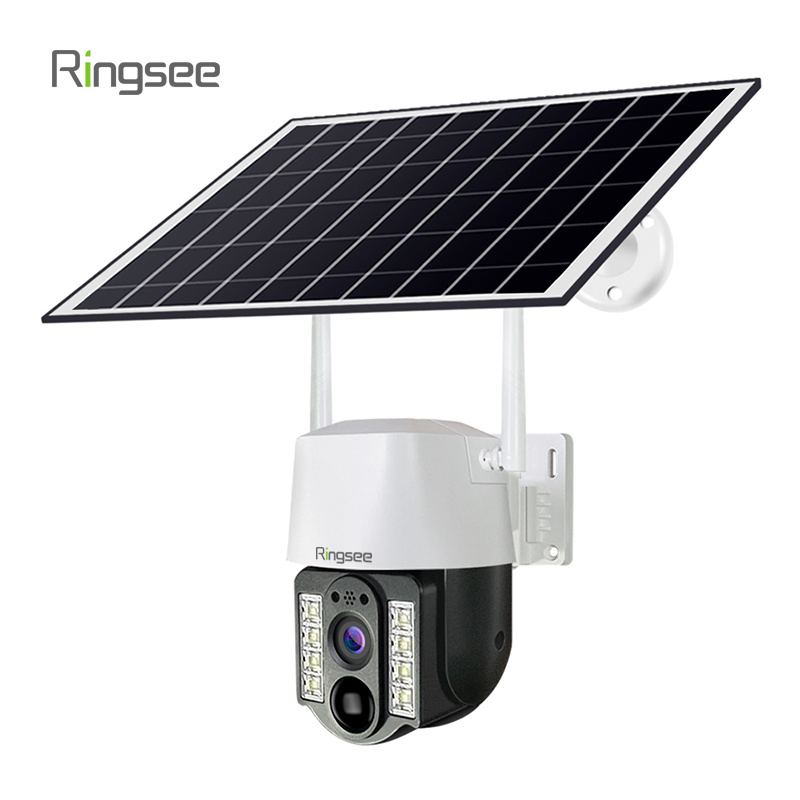
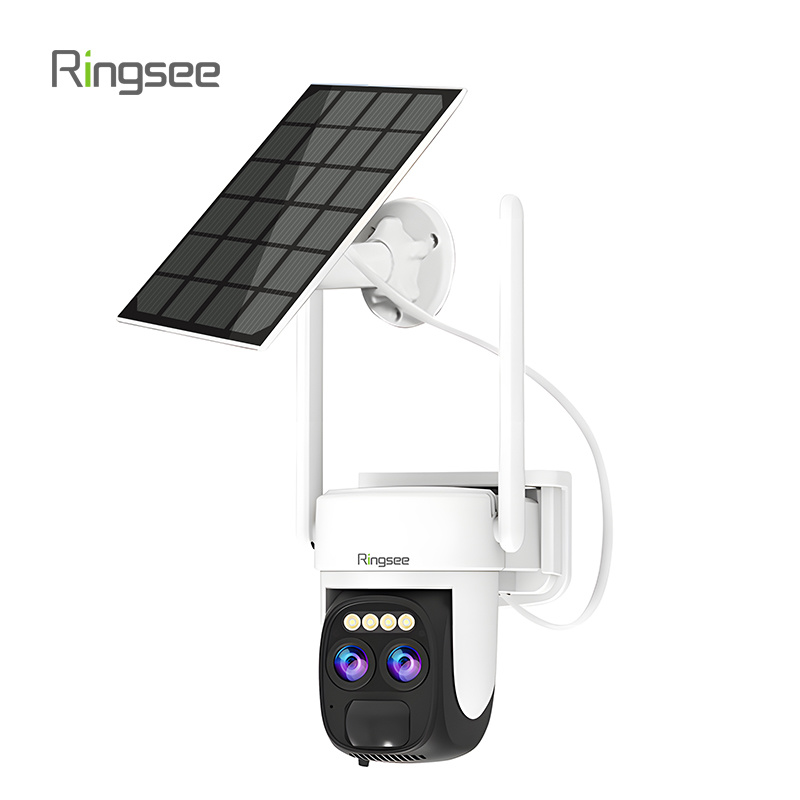
Solar Security Cameras
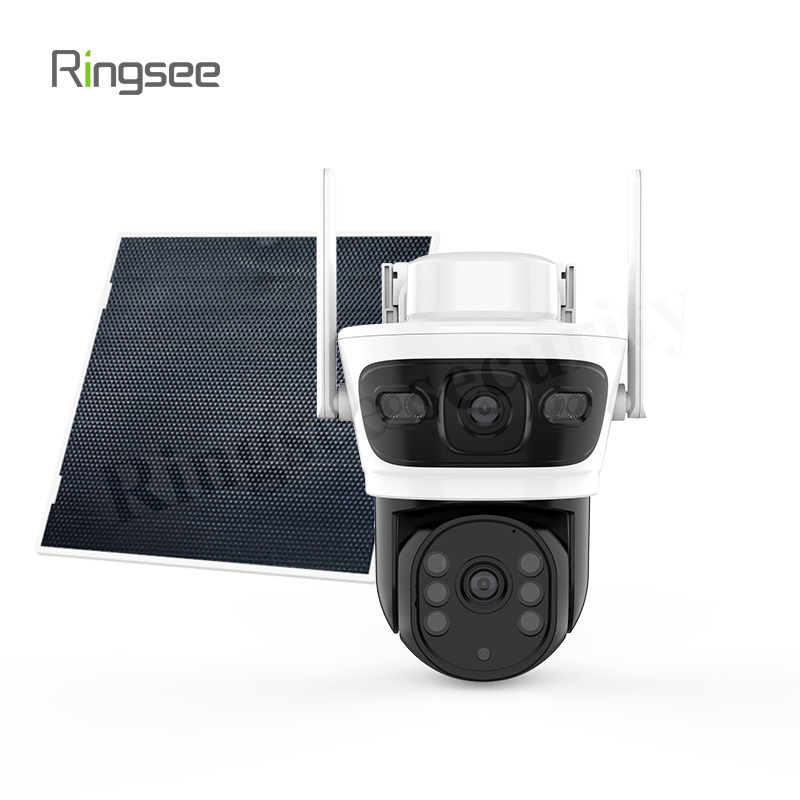
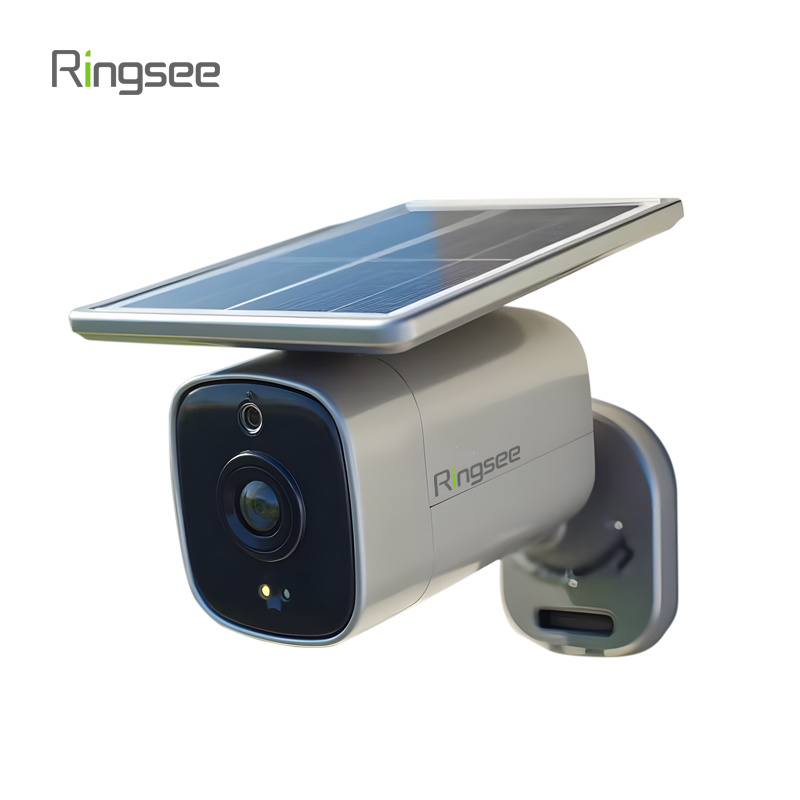
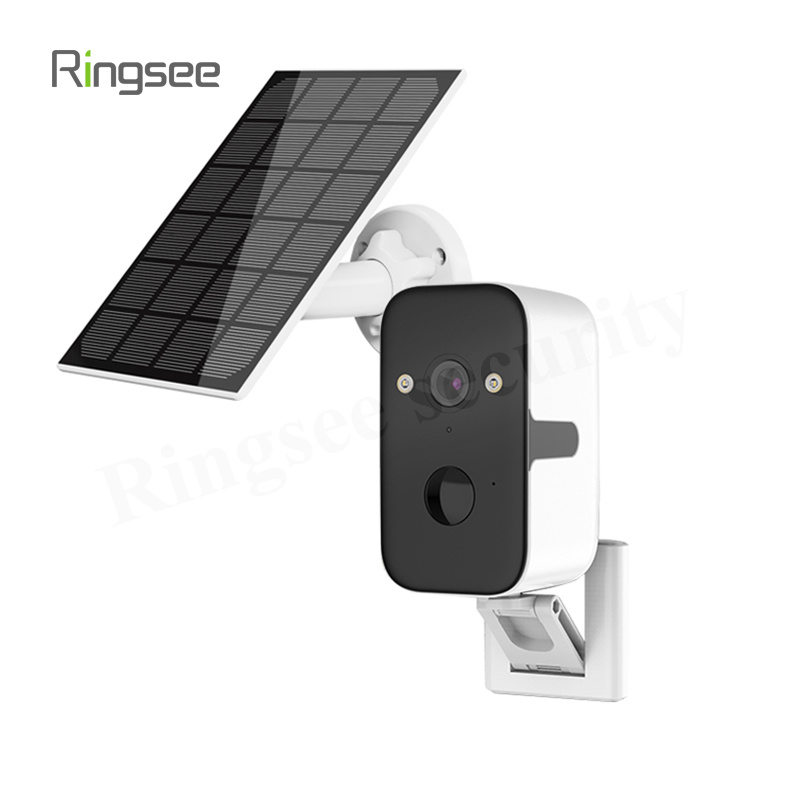
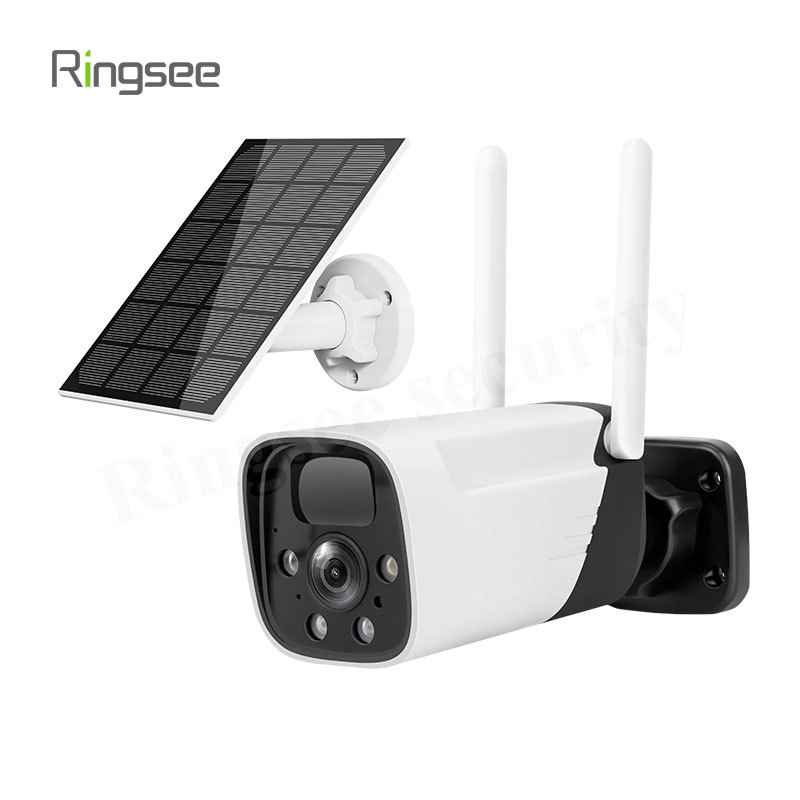
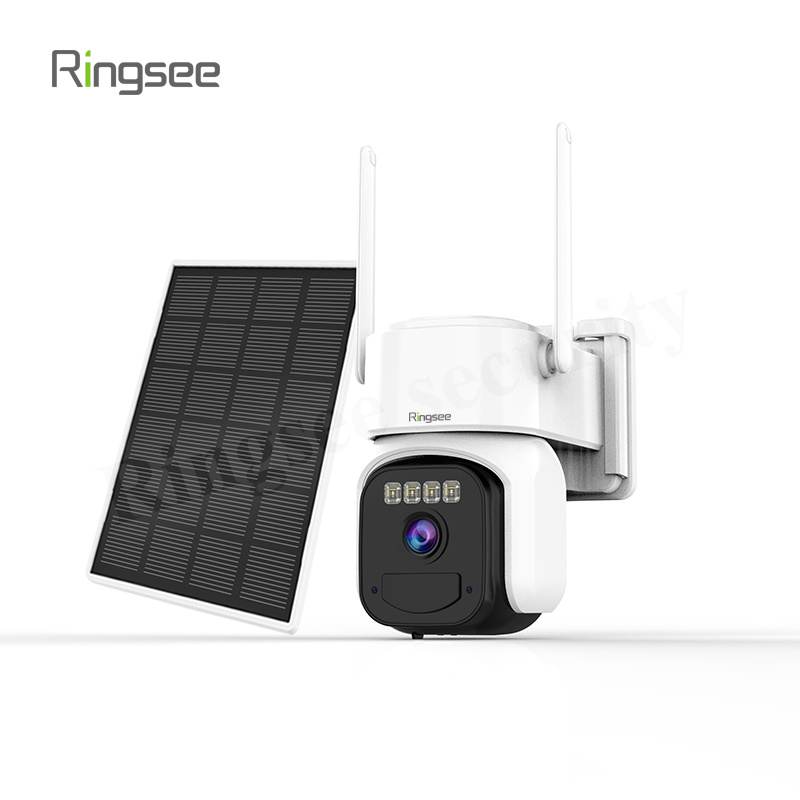
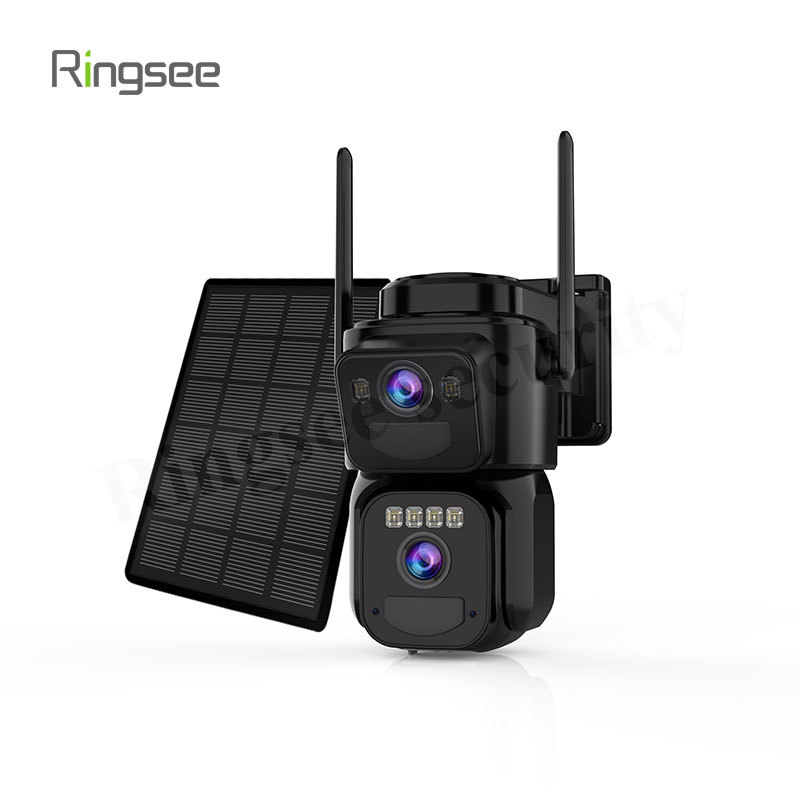
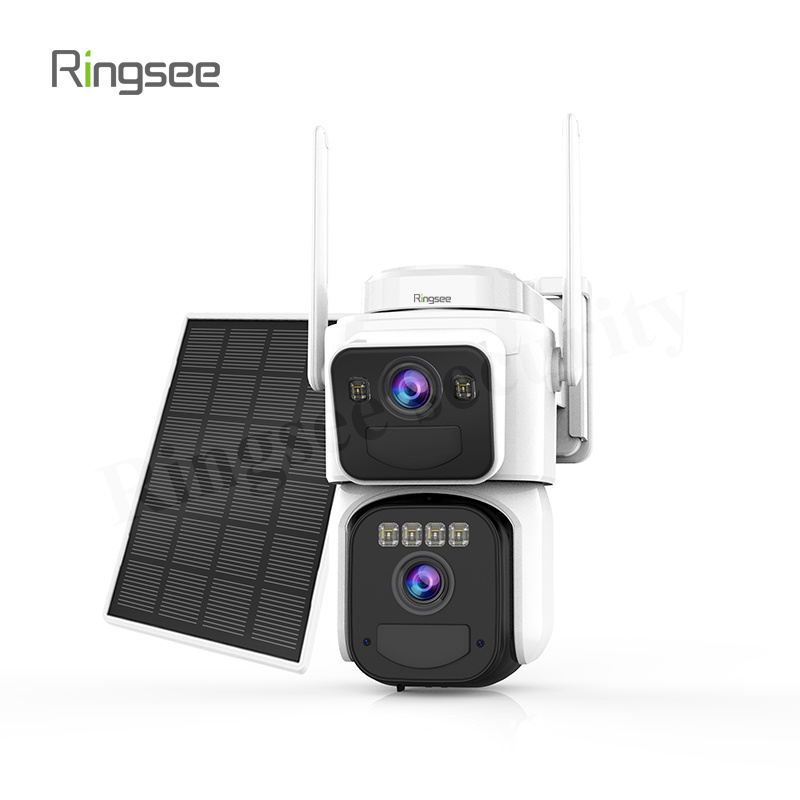
Solar-powered security cameras are becoming increasingly popular because they eliminate the need for wired power connections.
Advantages include:
- Energy independence
- Easy installation
- Suitable for remote areas
- Continuous operation with solar charging
Solar cameras are widely used in farms, construction sites, and rural properties where traditional power sources may not be available.
Why Resolution and Image Quality Matter
One of the most important factors when choosing a security camera is image resolution.
Higher resolution cameras capture clearer images, making it easier to identify people, vehicles, or important details.
Common camera resolutions include:
| Resolution | Typical Use |
|---|---|
| 1080P | Basic home monitoring |
| 2K / 3MP | Clear identification |
| 4MP | High detail outdoor monitoring |
| 4K | Professional surveillance |
However, resolution alone is not everything. Sensor quality and lens performance also affect image clarity, especially at night.
Many modern security cameras now use AI-enhanced image processing to improve visibility in low-light environments.
Night Vision and Low-Light Performance

Security cameras must operate effectively both during the day and at night.
There are generally three types of night vision technology:
Infrared Night Vision
Infrared LEDs allow cameras to capture black-and-white images in complete darkness. This is the most common night vision technology used in security cameras.
Color Night Vision
Some advanced cameras use spotlight illumination or low-light sensors to capture full-color images at night.
AI Enhanced Night Vision
Modern cameras use AI algorithms to improve brightness, contrast, and noise reduction, producing clearer images in low-light environments.
For outdoor security monitoring, cameras with enhanced night vision provide significantly better protection.

Power Options: Wired vs Battery vs Solar
Another critical factor is how the camera receives power.
Wired Cameras
Wired cameras connect directly to a power supply. They offer stable operation but require professional installation.
Battery Cameras
Battery-powered cameras are easy to install and flexible but require periodic battery replacement or charging.
Solar Cameras
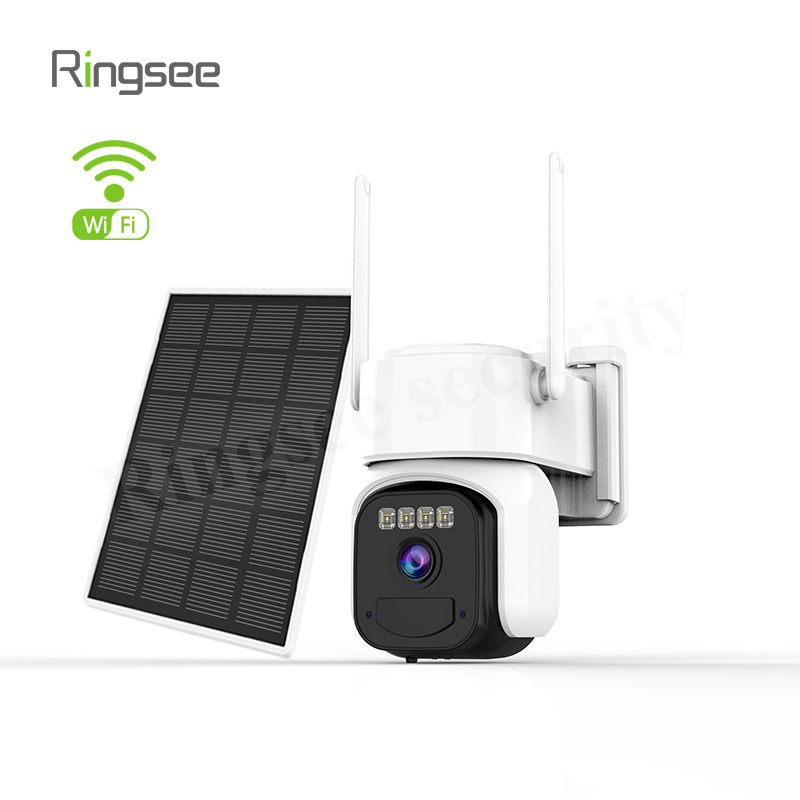
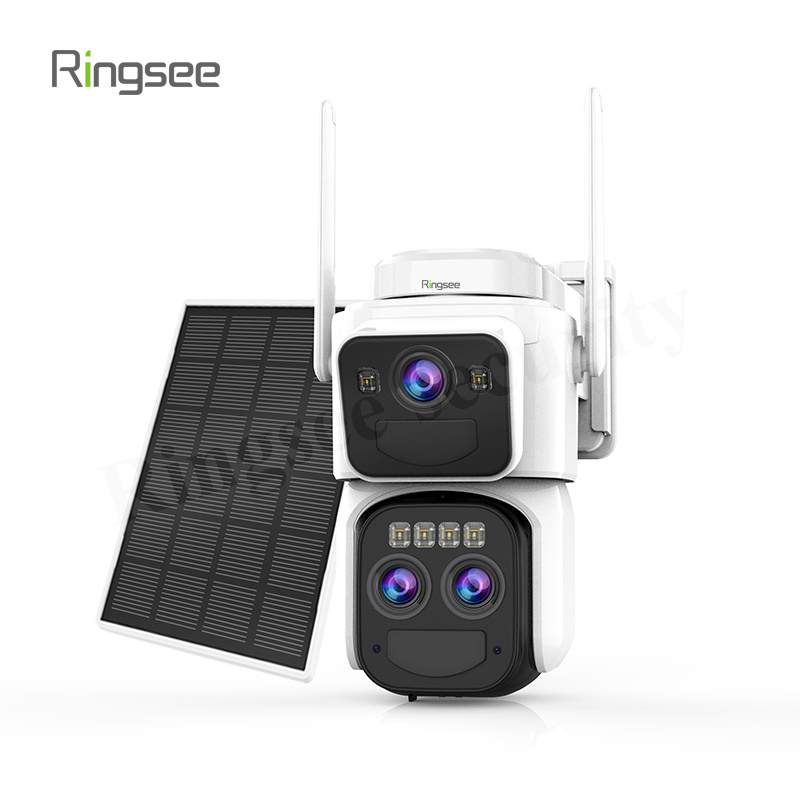
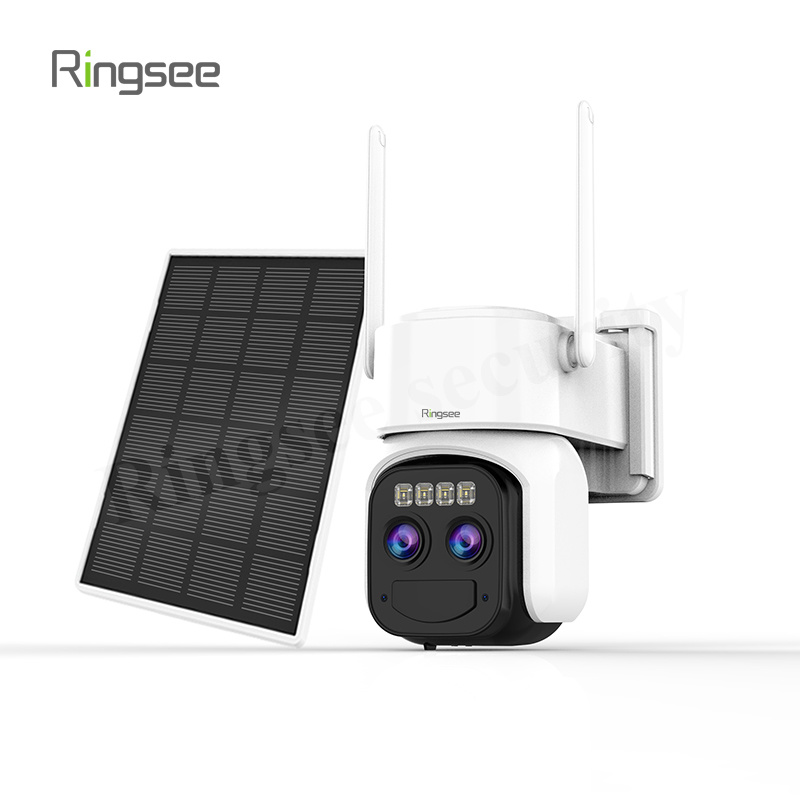
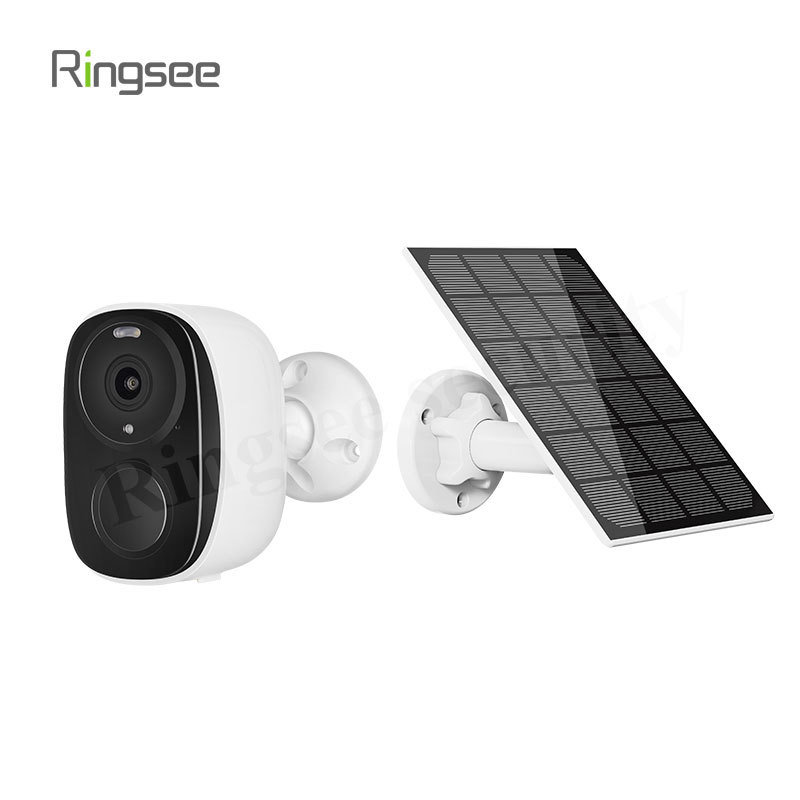
Solar-powered security cameras combine rechargeable batteries with solar panels, allowing continuous operation without manual charging.
Solar cameras are ideal for:
- Farms
- Construction sites
- Forest monitoring
- Remote properties
Many professional security camera manufacturers now offer solar-powered solutions designed specifically for outdoor environments.
Connectivity Options: WiFi vs 4G Cellular Cameras

Connectivity determines how your security camera sends video and alerts.
WiFi Cameras
WiFi cameras connect to your home network and are commonly used in residential environments where internet access is available.
4G Cellular Cameras
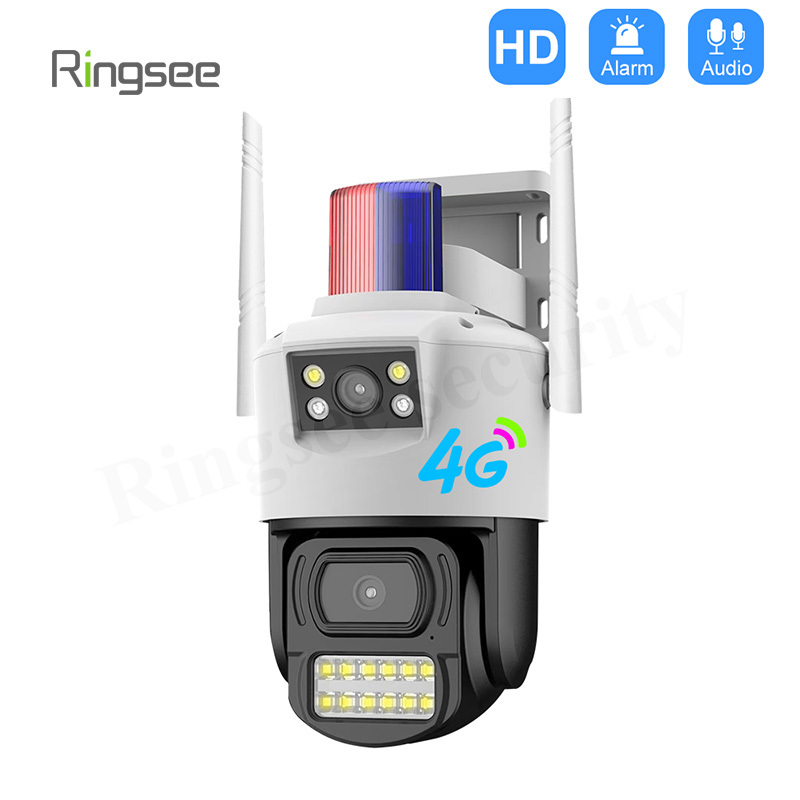
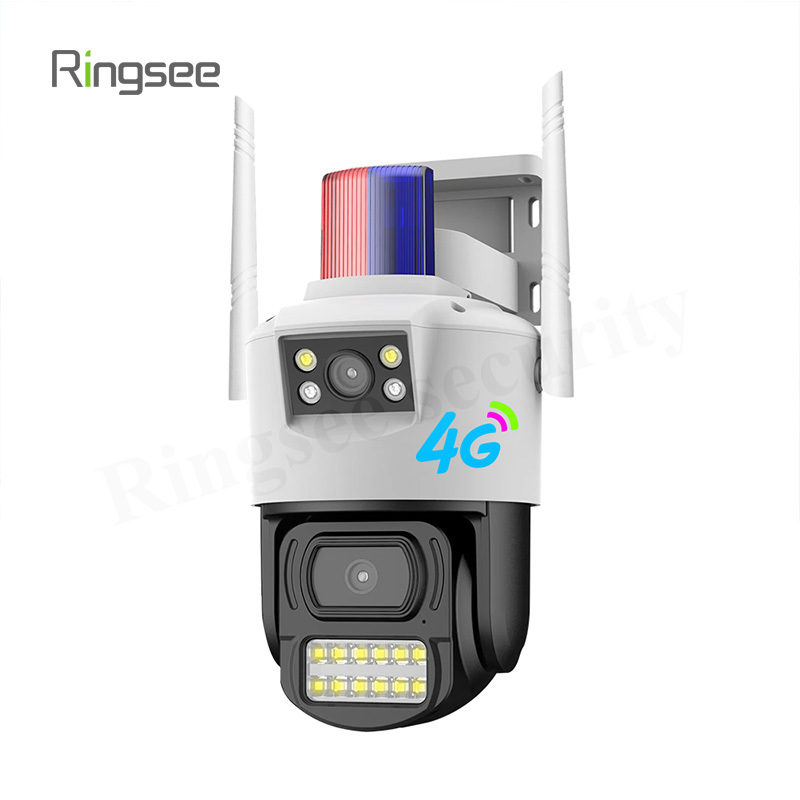
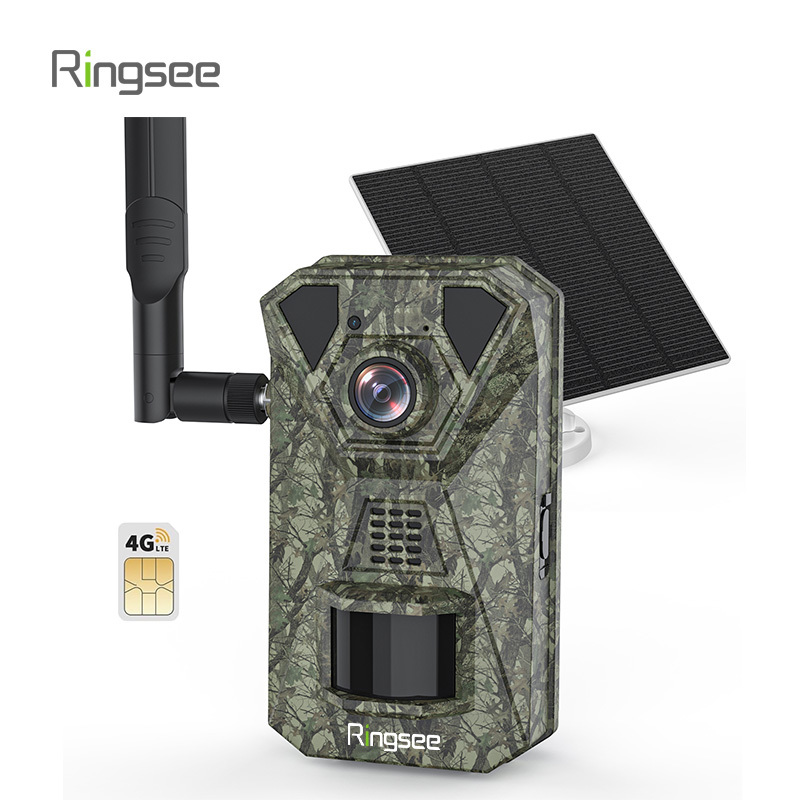
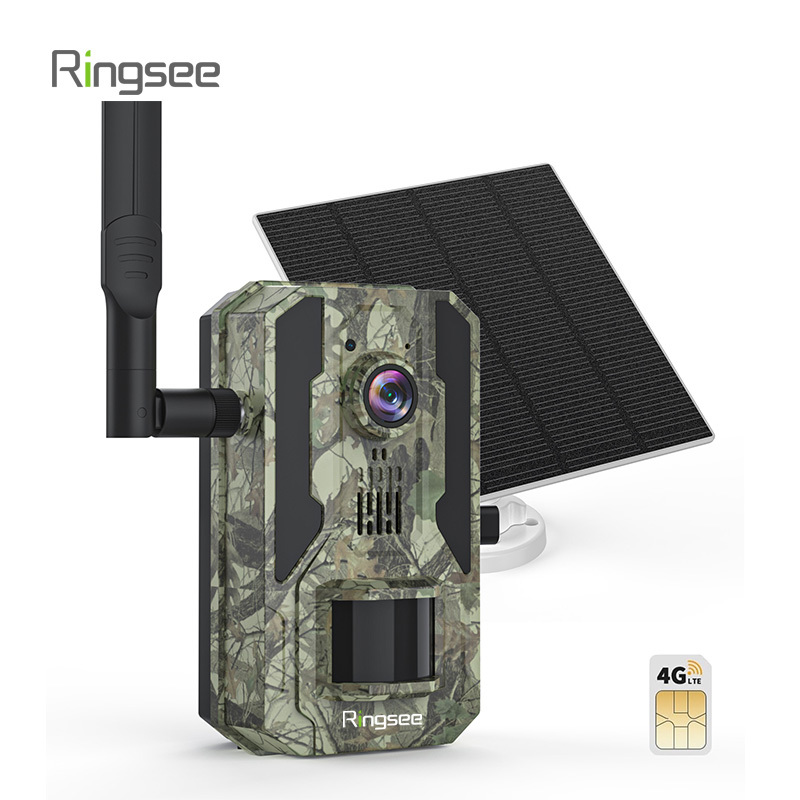
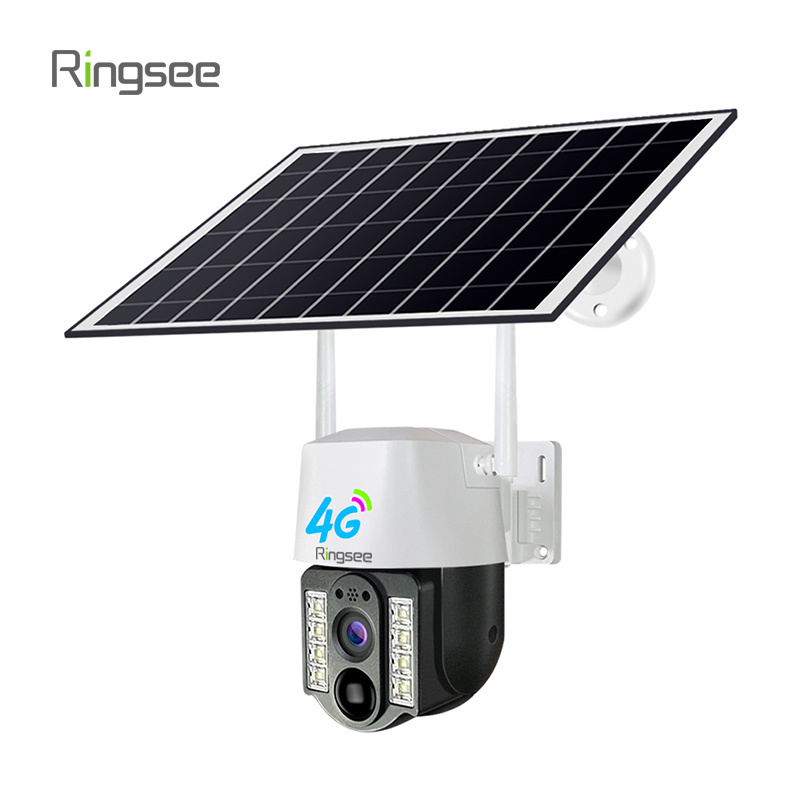
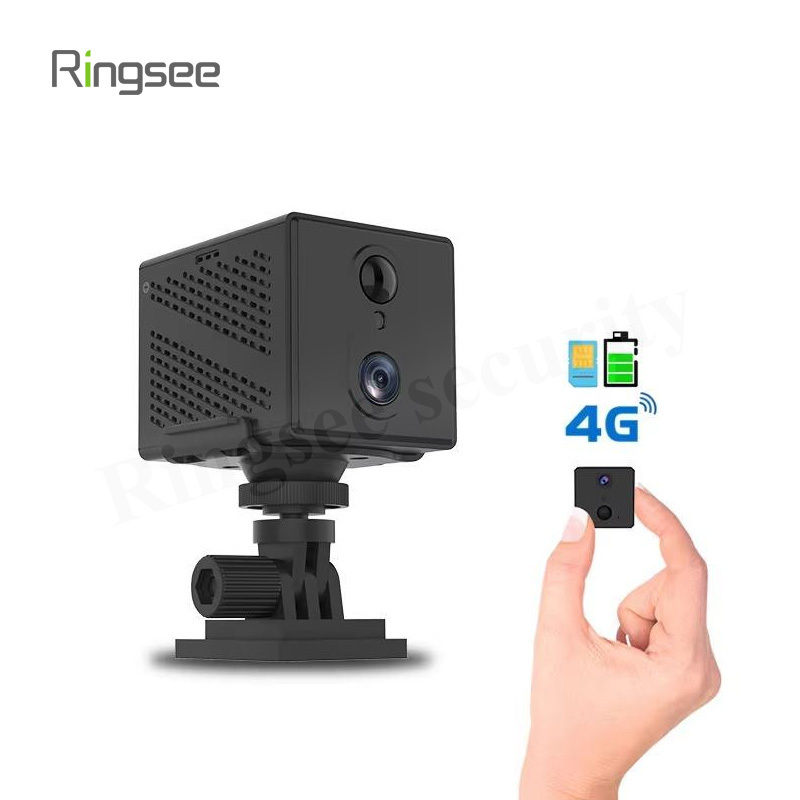
4G cameras use a SIM card and cellular networks instead of WiFi. These cameras are ideal for remote locations where internet access is limited.
Typical use cases include:
- Farms
- Remote cabins
- Construction sites
- Wildlife monitoring
4G solar cameras are particularly useful for outdoor security because they can operate independently without power or internet infrastructure.
Smart Features and AI Detection
Modern security cameras are equipped with smart technologies that improve monitoring accuracy.
Popular AI features include:
- Human detection
- Vehicle detection
- Motion alerts
- Activity zones
- Smart notifications
AI-powered cameras reduce false alarms caused by animals, wind, or moving objects.
Some advanced security cameras also offer Always-On Video (AOV) technology, allowing continuous monitoring with extremely low power consumption.
Storage Options: Cloud vs Local Storage
Security camera footage must be stored for later viewing.
There are two main storage options:
Cloud Storage
Cloud storage allows users to access recorded footage from anywhere using a mobile app.
Benefits include:
- Remote access
- Secure backup
- Automatic updates
Local Storage
Local storage typically uses microSD cards or local recorders.
Advantages include:
- No subscription fees
- Offline recording
- Faster playback
Many cameras today offer both cloud and local storage options for flexibility.
Choosing the Right Security Camera Manufacturer
For distributors and professional buyers, selecting the right security camera manufacturer is just as important as choosing the camera itself.
A reliable manufacturer should provide:
- Stable product quality
- Continuous technology updates
- Professional technical support
- Long-term supply capability
Experienced manufacturers also provide customized solutions for different industries such as home security, agriculture monitoring, and outdoor surveillance.
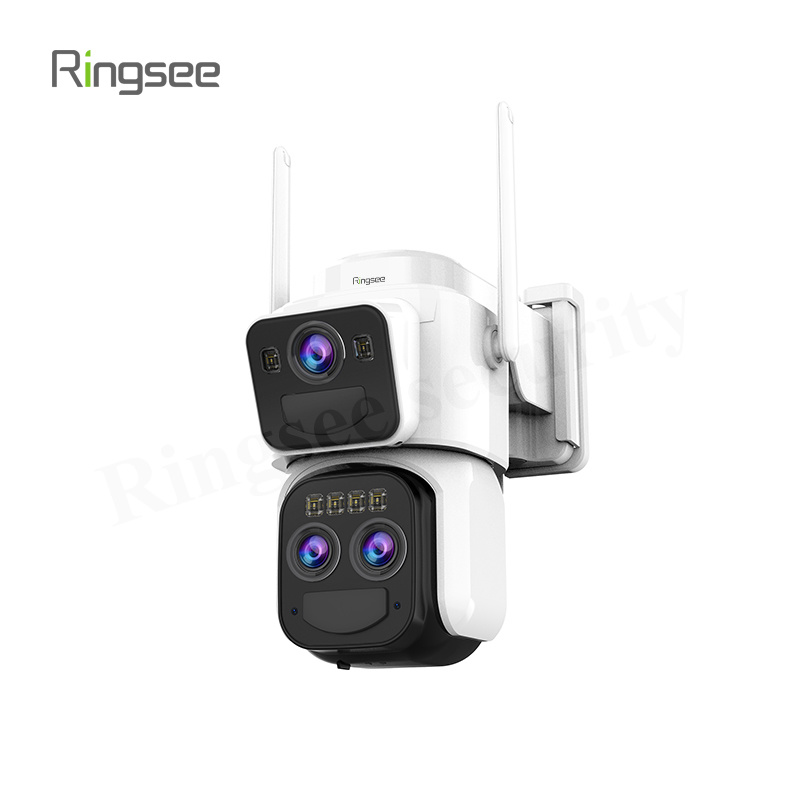
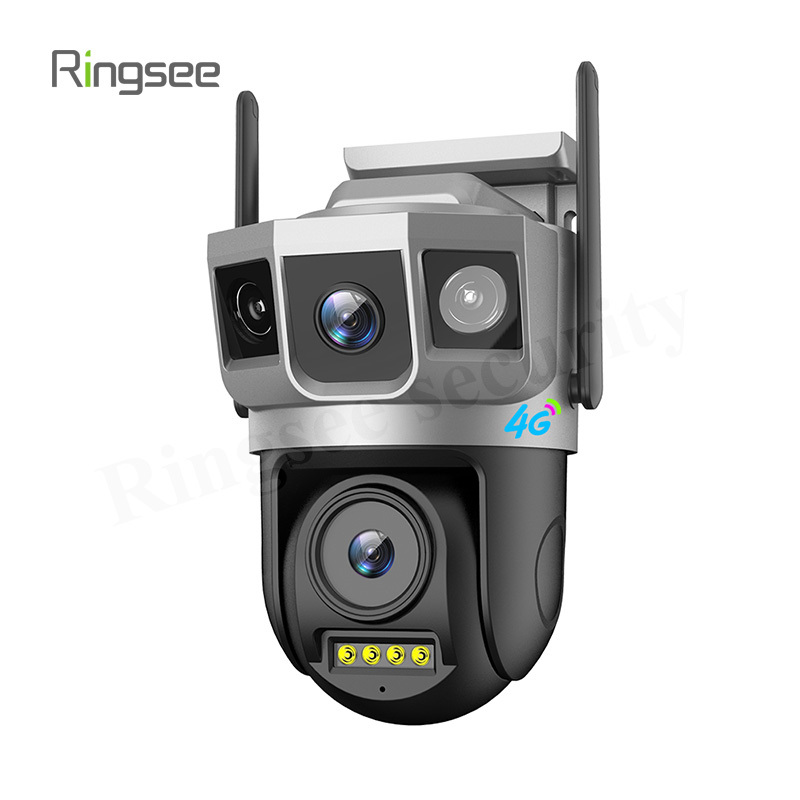
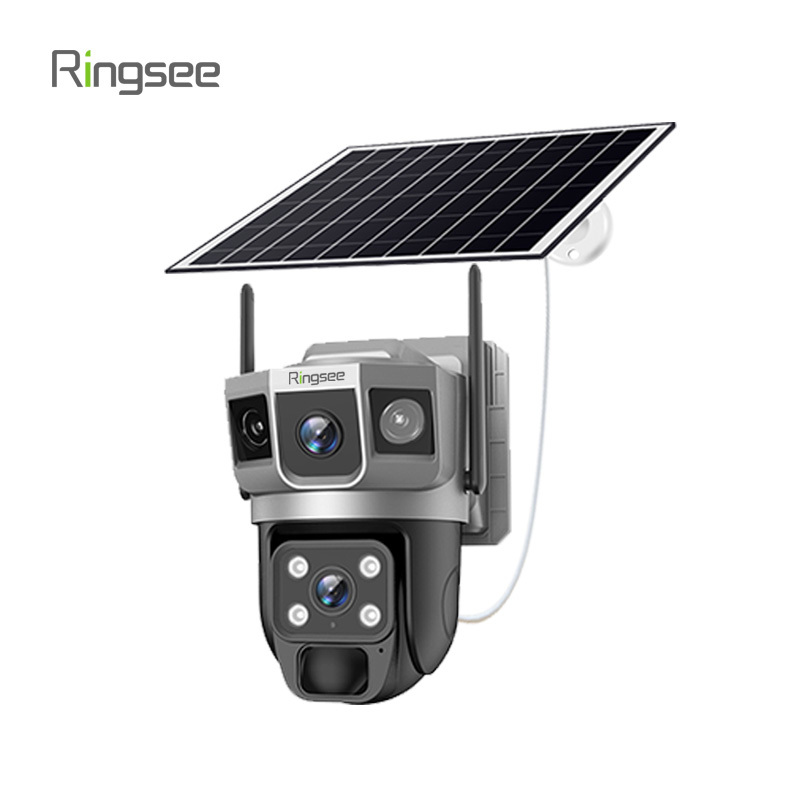
For example, companies like Ringsee, with more than 15 years of experience in security monitoring solutions, focus on developing advanced products such as solar security cameras, AOV cameras, and AI-powered surveillance systems.
Working with an experienced manufacturer ensures reliable products and long-term business cooperation.
Real-World Applications of Modern Security Cameras
Security cameras are now used in a wide range of environments beyond residential homes.
Common applications include:
- Home security monitoring
- Farm and livestock monitoring
- Construction site surveillance
- Warehouse security
- Wildlife observation
Solar-powered and cellular-connected cameras are particularly valuable in remote environments where traditional surveillance systems cannot be installed easily.
Frequently Asked Questions
What resolution is best for a home security camera?
For most homes, a 2K or 4MP camera provides an excellent balance between image quality and storage efficiency.
Are solar security cameras reliable?
Yes. Modern solar cameras use high-capacity batteries and efficient solar panels, allowing them to operate continuously in outdoor environments.
Do security cameras require WiFi?
Not always. Some cameras use 4G cellular networks, making them suitable for remote areas without internet access.
How long do battery-powered cameras last?
Battery life varies depending on usage, motion detection frequency, and camera features. Solar-powered cameras can operate for months without manual charging.
Choosing the right home security camera requires careful consideration of several factors, including image quality, night vision performance, connectivity, power options, and smart features. As security technology continues to evolve, modern solutions such as solar-powered cameras, AI detection, and AOV video technology are making surveillance more efficient and accessible than ever before.
Whether you're protecting your home, monitoring a remote property, or building a professional surveillance system, selecting the right camera—and the right manufacturer—will ensure long-term security and reliability.
أخبار ذات صلة
الامتثال لبيانات كاميرات المراقبة: مدة تخزين التسجيلات، إخفاء الخصوصية، وإدارة صلاحيات الوصول
دليل عملي للامتثال وفق أنظمة حماية البيانات الشخصية في المنطقة: اختبار المشروعية ثلاثي الأسئلة، تحديد مدة التخزين، تنفيذ إخفاء مناطق الخصوصية، نموذج وصول ثلاثي المستويات مع سجلات تدقيق، الخطوط الحمراء للتعرف على الوجوه، وقواعد النقل عبر الحدود.
Sep 12,2026
كيف تستلم مشروع كاميرات المراقبة؟ قائمة فحص الاستلام ونقاط الغش الشائعة في التنفيذ
دليل عملي لاستلام مشاريع تركيب كاميرات المراقبة: عملية الاستلام ثلاثية المراحل (الأعمال المخفية، التشغيل التجريبي، الاستلام النهائي)، ست نقاط غش شائعة — الكابل المغلف بالألمنيوم، المسارات الطويلة، تغذية PoE الأقل من المطلوب، الأقراص المجددة، استبدال الموديلات، وتضخيم أيام التخزين — مع قائمة اختبارات ميدانية والمستندات المطلوبة وهيكل الدفعات.
Sep 12,2026
دليل عملي لاختيار كاميرات المراقبة الصناعية: تصنيف المناطق الخطرة (مناطق الغاز 0/1/2 ومناطق الغبار 20/21/22)، شرح علامة Ex حقلًا بحقل، التحقق من شهادات الحماية من الانفجار، حلول درجات الحرارة المرتفعة، مواد مقاومة التآكل، والعوامل الخفية الأربعة: الغبار والتداخل الكهرومغناطيسي والاهتزاز والإضاءة الخلفية.
Sep 05,2026
كيف تدير كاميرات المراقبة في متعدد الفروع والمصانع بشكل موحد؟ دليل بنية الأمن الموزعة
هذا الدليل موجه لمديري تكنولوجيا المعلومات والمشتريات ومهندسي الأمن في سلاسل التجزئة والمصنعين وشركات إدارة العقارات. المشكلة ليست 'أي كاميرا نشتري'، بل كيف نراقب وندير ونراجع عشرات أو مئات المواقع من نقطة مركزية واحدة. التحدي المعماري الأساسي هو توحيد البروتوكولات، وهيكلية الشبكة، وحوكمة المنصة. بدونها، يصبح كل فرع جزيرة معزولة، ويضطر الموظفون لتسجيل الدخول إلى أنظمة متعددة، مما يبطئ الاستجابة للحوادث.
Sep 05,2026
عالجت المقالات التسعة السابقة على التوالي: التزويد بالطاقة (انظر 《شجرة قرار 12 تركيبة للتزويد بالطاقة والاتصال بالشبكة》) يحدد ما إذا كان الجهاز يُشغَّل، والاتصال بالشبكة (انظر 《دليل اختيار حل المراقبة غير المتصل بالشبكة 4G+الطاقة الشمسية》) يحدد ما إذا كان التوصيل ممكنًا، والرؤية الليلية (انظر 《دليل اختيار الرؤية الليلية والإضاءة المنخفضة》) يحدد مدى الوضوح في الليل، والحماية ومقاومة الصواعق (انظر 《دليل اختيار الحماية IP66/IP67 ومقاومة الصواعق》) يحدد المدة التي يتحملها الجهاز، وزاوية مجال رؤية العدسة (انظر 《دليل اختيار عدسة كاميرا المراقبة ومجال الرؤية/البؤرة》) يحدد ما إذا كان الهدف ملتقطًا، والتخزين وNVR (انظر 《دليل اختيار مدة التسجيل / NVR》) يحدد ما إذا كانت اللقطات محفوظة، والوصول عن بُعد وأمن الشبكة (انظر 《دليل اختيار الوصول عن بُعد وأمن شبكة كاميرات المراقبة / VPN》) يحدد ما إذا كانت اللقطات محمية، والتحليل الذكي بالذكاء الاصطناعي (انظر 《دليل اختيار التحليل الذكي بالذكاء الاصطناعي لكاميرات المراقبة (كشف الأشخاص/المركبات/تجاوز الحدود)》) يحدد ما إذا كان النظام "قادرًا على التعرف على الشذوذ"، والربط بالإنذارات وتكامل المنصة (انظر 《دليل اختيار ربط الإنذارات وتكامل المنصة لكاميرات المراقبة (صوتي-ضوئي/منصة/API/ONVIF)》) يحدد بعد التعرف ما إذا كان "بالإمكان التحرك والتحكم". ولكن حتى الآن، تظل جميع الحلول في مستوى "الاختيار" فقط — الكاميرا لا تزال على الورق. تستخدم هذه المقالة منظورًا تقنيًا محايدًا لدفع عنقود الموضوع إلى الحلقة الأخيرة "التثبيت المتين والضبط الدقيق والصيانة الميسورة": بتفكيك مسح الموقع قبل النشر، وتزويد PoE وتسلسل الأسلاك، ومسافة الأسلاك Cat5e/Cat6، والحماية من الصواعق والتأريض وSPD، وتركيب الأعمدة والحوامل، وربط NVR/المنصة، وإجراءات المعايرة والقبول، والقياس الفعلي لمعدل الإنذارات الكاذبة للذكاء الاصطناعي، والتشغيل والصيانة اليومية واستكشاف الأخطاء، وإعادة فحص الأمان عن بُعد، مع تقديم
Aug 29,2026
الروابط:تكنولوجيا الطاقة الحزام الواحد
إضافة: الطابق الرابع عشر ، مبنى باوشان ، حي لونغهوا ، الصين شنتشن.


سياسة الخصوصية.سيو.سيتيسيتي. الدعم:300. س دونغقوان